

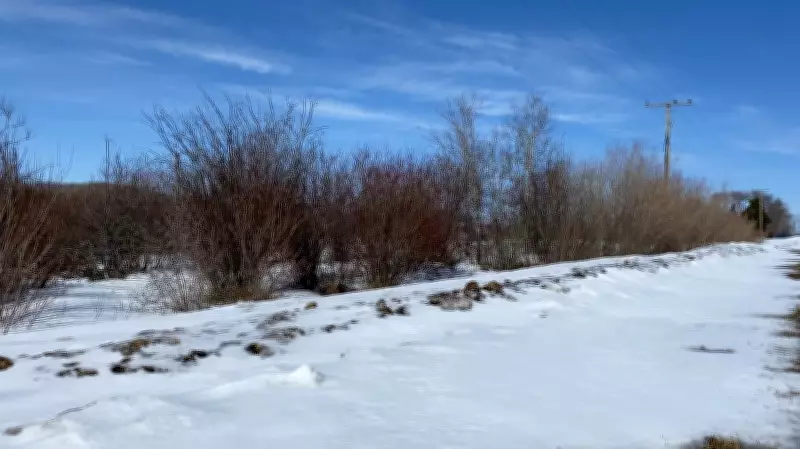
Saskatchewan Farmers Confront Flooding and Delayed Spring Seeding Due to Heavy Snowpack
Farmers in Saskatchewan are bracing for a challenging spring season as substantial snowpack across the province raises the specter of widespread flooding and significant delays to critical seeding operations. The lingering winter conditions, marked by above-average snowfall, are creating a precarious situation that could disrupt agricultural timelines and impact crop yields.
Flooding Risks Escalate Across Agricultural Regions
The accumulation of snowpack, particularly in low-lying areas and near river basins, is heightening concerns over potential flooding as temperatures rise and the snow begins to melt. This natural process, if accelerated by warmer weather, could lead to overflowing waterways and inundated fields, posing a direct threat to farm infrastructure and soil integrity. Farmers are closely monitoring weather forecasts and water levels, preparing contingency plans to mitigate damage to their land and equipment.
Spring Seeding Delays Loom Large
Beyond the immediate flooding risks, the persistent snowpack is likely to postpone the start of spring seeding, a crucial phase in the agricultural calendar. Delays in planting can compress the growing season, potentially affecting crop maturity and harvest outcomes. For many farmers, this timing is critical to maximize yield and quality, especially for staple crops like wheat, canola, and barley that dominate Saskatchewan's agricultural landscape.

Economic and Logistical Implications for the Farming Community
The combination of flooding and seeding delays carries significant economic implications for Saskatchewan's farming sector. Increased costs for flood mitigation, potential crop losses, and the need for adjusted planting schedules could strain farm budgets and reduce profitability. Additionally, logistical challenges, such as accessing waterlogged fields and managing delayed machinery operations, may further complicate an already demanding season.
Adaptation and Resilience in the Face of Climate Variability
This situation underscores the broader challenges farmers face due to climate variability and extreme weather events. Many are turning to adaptive strategies, such as improved drainage systems, diversified crop rotations, and enhanced soil management practices, to build resilience against such disruptions. Community support and government assistance programs may also play a vital role in helping farmers navigate these difficulties and safeguard their livelihoods.
As Saskatchewan's agricultural community confronts these dual threats of flooding and delayed seeding, the coming weeks will be pivotal in determining the season's trajectory. Proactive measures and collaborative efforts will be essential to minimize impacts and ensure a productive harvest despite the adverse conditions posed by the heavy snowpack.






