

Aggie Days Connects Calgary Youth to Agriculture Through Hands-On Farm Experiences
The Nutrien Western Event Centre in Calgary was alive with excitement on Thursday as hundreds of school children immersed themselves in the world of agriculture during the annual Aggie Days event. Organized by the Calgary Stampede, this multi-day showcase offered urban youth a rare glimpse into farming life through interactive displays and live demonstrations.
Interactive Learning About Food Origins
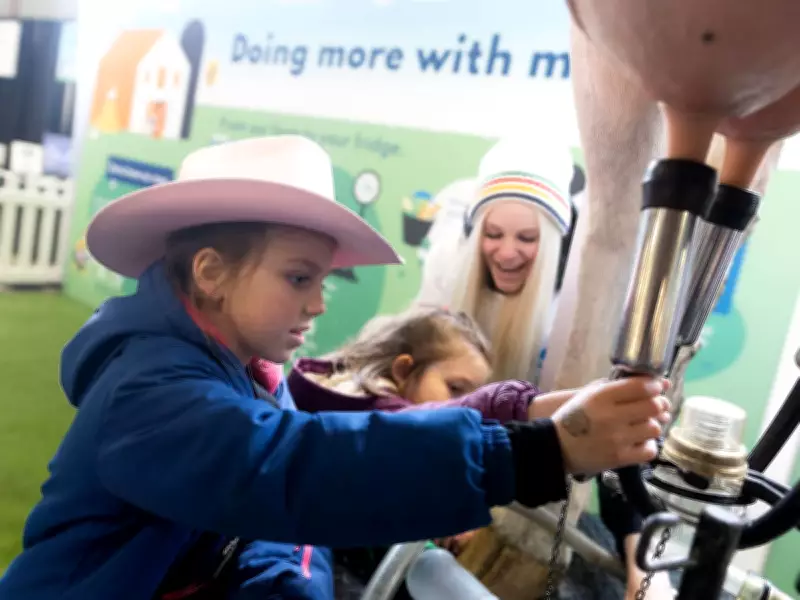
Children participated in various hands-on activities including milking demonstration cows, observing playful goats, watching horses in their stalls, and examining observation bee hives. The event specifically targeted students in grades 3 through 6 during its school days from April 15 to 17, with plans to open to the general public over the weekend.
"Aggie Days is our attempt to provide the story of food to people who don't have access to a rural relative, or someone on a farm, and they don't know where their food comes from," explained Brian Gross, chairperson of the agriculture education subcommittee.

Modern Agriculture Showcased
Gross emphasized that the event featured approximately 50 different displays designed to make learning about agriculture both fun and tactile. "There's hands-on interactive displays, there's demonstrations, and the children come not only to feel good about food, but some of them might decide on a career in agriculture," he noted.
The exhibition highlighted how modern technology has transformed farming:
- Computer enhancements and automated equipment
- Drone technology for field monitoring
- Satellite imagery for precision agriculture
- Advanced livestock management systems
Beekeeping Demonstrations Generate Buzz
Keith Bellingham of the Calgary District Beekeepers Association has been showcasing his observation hives at Aggie Days for several years. "There's just always a lot of interest," he remarked as children tapped on the glass panes housing the bees and asked numerous questions about beekeeping.
Bellingham engaged students by stamping their hands with bee prints and explaining the crucial role pollinators play in food production. Boyd Williams, also from the beekeepers association, demonstrated live bee colonies to fascinated young audiences.
Longtime Volunteer Shares Farming Realities
Debbie Lee, a volunteer with over 40 years of service to the Calgary Stampede, educated children about the challenges and importance of farming from her station in the dairy area. As a Springbank farm owner with approximately 80 cattle, she understands agricultural realities firsthand.
"Farming is a difficult occupation," Lee stated. "We face a lot of things with Mother Nature. One never can tell what Mother Nature is going to give us each year. If we don't have farmers growing and producing the food that we eat, then we've got no food."
Lee emphasized the importance of local food production: "I tell the kids here at Aggie Days how important it is that we have such great farmers and ranchers and producers here in Alberta. We can't necessarily rely on always bringing things in."
Creating Lasting Impressions
The veteran volunteer expressed particular delight when children have breakthrough moments of understanding. "When they see the milk going from the cow into the milking machine, through the clear hose, into the clear bucket, and I watch their eyes light up, and they go, 'Oh, it really does come from a cow,' that's what makes me proud to be able to get that message out," Lee shared.
Additional attractions at Aggie Days included:
- Rodeo demonstrations showcasing traditional ranch skills
- Close encounters with various livestock including jersey cows
- Educational displays about different agricultural sectors
- Information about career opportunities in modern agriculture
The event successfully bridged the urban-rural divide, providing Calgary's youth with meaningful connections to the sources of their food and the people who produce it. Through these engaging experiences, Aggie Days continues to cultivate appreciation for Alberta's agricultural heritage while inspiring future generations to consider careers in this vital industry.






