Edmonton's High Level Bridge Future Debated After Truck Collision
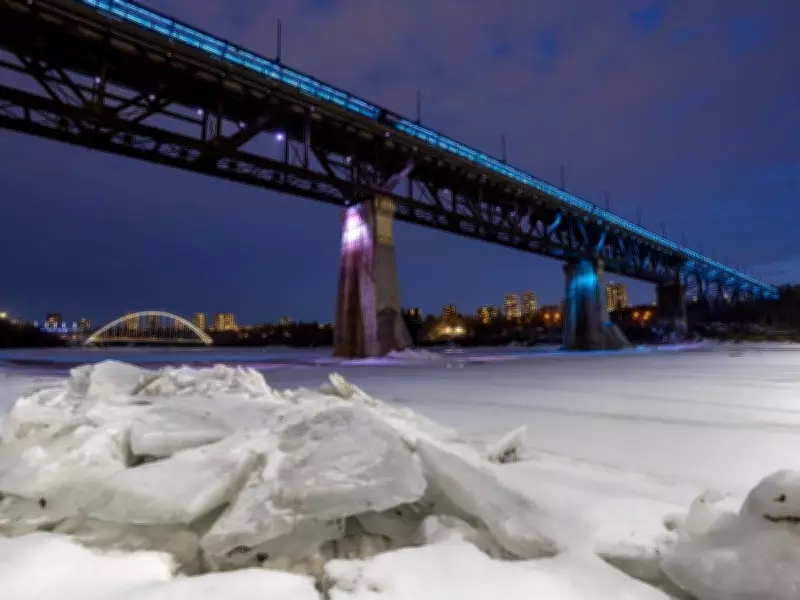
The iconic High Level Bridge in Edmonton has become the center of a heated infrastructure debate following yet another incident where a truck ignored warning signs and collided with the historic structure. This latest accident has reignited serious conversations about the future of the 113-year-old landmark that serves as both a transportation artery and a symbol of community pride.
Structural Concerns and Financial Dilemmas
The City of Edmonton's 2023-26 budget has already allocated $200 million specifically for rehabilitating the High Level Bridge and expanding active transportation options. However, this substantial investment faces scrutiny as the bridge continues to demonstrate significant limitations. The aging structure cannot accommodate trucks and struggles to handle bus traffic efficiently, raising questions about its long-term viability.
Comparisons to recent infrastructure projects highlight the financial considerations at play. In 2020, Peace River completed construction of a new bridge with similar height and length specifications for $162 million. Meanwhile, eight years ago, reports indicated the High Level Bridge had only 25 years of remaining structural life, suggesting the current rehabilitation investment might represent what critics call "tossing good money after bad."

Community Symbolism Versus Practical Necessity
Beyond its transportation function, the High Level Bridge holds deep symbolic value for Edmonton residents. The structure recently showcased its community role when 60,000 LED bulbs illuminated the bridge in blue to commemorate World Interfaith Harmony Week in February 2026. This specialty lighting initiative represents one of many ways the City of Edmonton uses the bridge to recognize international events, cultural celebrations, and tributes to significant local, provincial, and national figures.
David Jackson of Edmonton emphasizes the need for thoughtful conversation, stating, "Let's start the conversation so we get this right and our beloved bridge remains functional and iconic." This sentiment captures the dual challenge facing decision-makers: preserving historical significance while ensuring practical functionality for modern transportation needs.
Broader Infrastructure Conversations
The bridge debate occurs alongside other infrastructure discussions in Alberta communities. In a separate letter, Jeff Laidlaw of Canmore cautions about passenger rail development, urging "a certain degree of wariness around the proposals" and emphasizing the need for comprehensive planning to handle potential development pressures and increased traffic.
Meanwhile, Gordon Menzies of Edmonton raises concerns about city council's approach to population growth, questioning administrative claims that a 600,000 population increase within Anthony Henday Drive won't require major utility and infrastructure upgrades. Menzies frames the debate as balancing "developer profit from building predominately rental suites versus taxpaying Edmontonians' loss in property value."
Public Safety Parallels
Ronald LaJeunesse of Westerose draws attention to public safety considerations beyond infrastructure, comparing response times in different emergency situations. Noting that RCMP officers in Tumbler Ridge, B.C., entered a dangerous situation within two minutes compared to 77 minutes during the Robb Elementary School shooting in Uvalde, Texas, LaJeunesse suggests training makes a critical difference in emergency outcomes.
As Edmonton contemplates the future of its historic High Level Bridge, the community faces complex decisions balancing preservation, functionality, safety, and financial responsibility. The conversation extends beyond a single structure to encompass broader questions about how municipalities plan for growth, prioritize infrastructure investments, and maintain community landmarks while meeting evolving transportation needs.