Condo Heat Pump Dispute: Who Pays for Water Damage and Reinstallation?
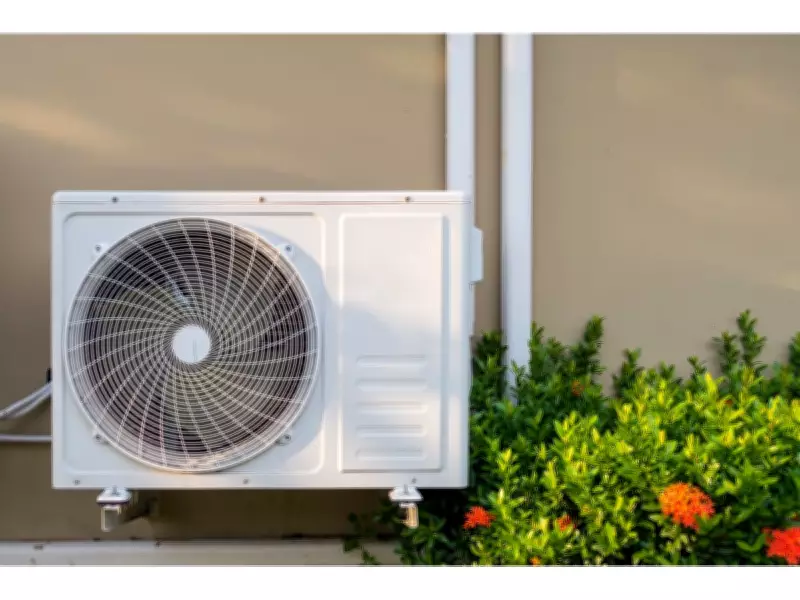
A strata council in Richmond, British Columbia, is grappling with a significant financial and legal issue after a heat pump installation on a penthouse unit caused water damage to the unit below. The problem highlights the complexities of strata property management and the critical importance of detailed agreements.
The Initial Agreement and Its Flaws
In 2022, the strata council granted permission for a penthouse owner to install a heat pump to combat extreme summer temperatures, which often exceeded 30 degrees Celsius due to full sun exposure. The council conducted standard checks on the installation, including mounting, venting, power source, and contractor licensing. However, the agreement only required the owner to maintain and repair the system, covering installation costs, which contradicted the strata's bylaws.
Now, with water damage reported in the unit below and on the exterior wall, the council faces a pressing question: who is responsible for the repair costs and potential reinstallation? According to Jennifer Neville, a lawyer with Hamilton & Co in New Westminster, strata corporations must avoid assuming owner obligations. "If it is not in writing, it will not be enforceable against an owner," she advises, emphasizing that conflicts with the Strata Property Act or bylaws are particularly concerning.

Risks of Exposed Installations
Tony Gioventu, executive director of the Condominium Home Owners Association of B.C., notes that exposed heat pump installations carry higher risks from wind-driven rain and temperature variations. He outlines several conditions that should be confirmed before approval:
- Location: Whether covered or uncovered, with technical details assessed.
- Power Source: Ensuring sufficient power availability.
- Proximity: Checking if the unit is near doors, windows, or other openings.
- Drainage: Managing condensation with adequate drain systems.
- Safety: Addressing fall protection and seismic securing requirements.
- Liability: Clearly defining responsibility for installation, maintenance, repair, consulting, and insurance costs.
Gioventu warns that permits do not guarantee proper inspection, urging strata councils to start with thorough investigations and repairs. He recommends contacting an engineer to assess leaks and coordinate fixes, stressing the need for compatible bylaws and alteration agreements.
Legal and Practical Implications
This case underscores the broader challenges in strata governance, where inadequate documentation can lead to costly disputes. The strata council must now review its bylaws and agreements to ensure future installations are handled correctly. As Neville points out, without written agreements, enforcing owner responsibilities becomes nearly impossible, leaving the strata potentially liable for damages.
In summary, the incident serves as a cautionary tale for strata corporations across Canada, highlighting the necessity of clear, legally sound agreements to prevent similar issues and protect all parties involved.