Fiery Delta Crash at Pearson Airport Still Haunts Passengers One Year Later
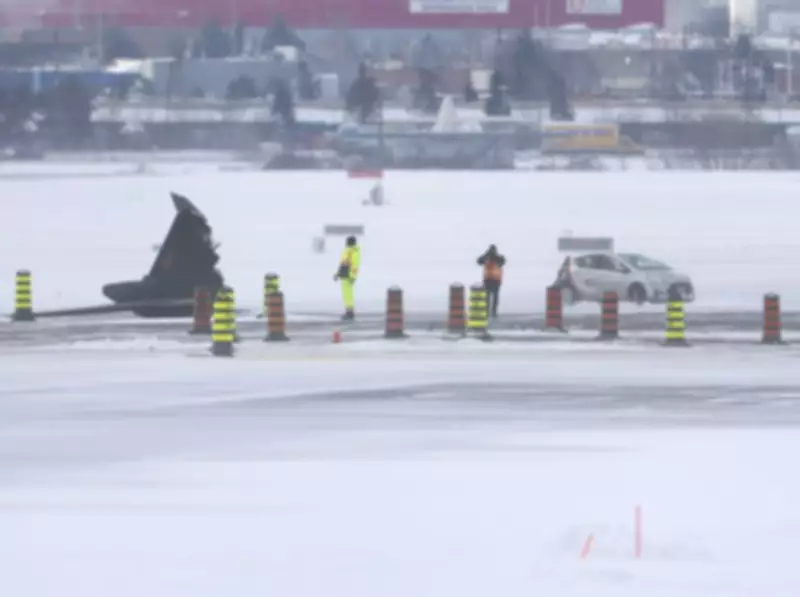
As his plane descended into Toronto, John Nelson glanced out the window to catch a glimpse of the city, but immediately sensed something was amiss. The aircraft seemed to be approaching at an alarmingly high speed. Moments later, it slammed onto the runway with such force that the landing gear shattered, sending the plane into a violent slide, a flip, and a fiery explosion at Pearson International Airport.
"It was like being in a washer," Nelson recalled in an interview, describing the harrowing experience of the crash that occurred on February 17, 2025. "When we finally came to a stop, we were upside down, there was jet fuel smell. There was fire." He vividly remembers unbuckling his seatbelt and crashing onto the plane's ceiling amid the chaos.
Miraculous Survival and Lingering Injuries
In a stroke of incredible luck, all 76 passengers and four crew members aboard Delta Air Lines Flight 4819, operated by subsidiary Endeavor Air from Minneapolis, survived the catastrophic event. However, 21 individuals were hospitalized with injuries. For Nelson, a father of two from Minnesota, the aftermath has been a relentless struggle. He sustained a torn retina, a floater in one eye, disk and neck injuries, and numbness radiating through his arm. Once an Ironman triathlete, he had to abandon plans to compete last May due to his debilitating condition.

"There isn't a day that goes by that somehow it doesn't come up or impact my life in some way, you know, everything from my job to my family, to my health," Nelson shared. "It's just been a very eventful year." The crash has also severely impacted his mental health, leading him to seek therapy and medication for anxiety, sleep disorders, post-traumatic stress disorder, and depression—conditions entirely foreign to him before the incident.
Shared Trauma Among Survivors
Fellow passenger Nate Richie, from Cape Coral, Florida, echoed Nelson's sentiments, revealing that the approaching anniversary of the crash has unexpectedly affected him deeply. He described the terrifying moments inside the overturned plane, with screams and cries filling the air as passengers hung upside down from their seats. "A lot goes through your mind in just a split second. It's almost like time stands still," Richie said, recounting how memories of his loved ones flashed before him like a movie.
After unbuckling his seatbelt, Richie blacked out briefly, hitting his head on overhead compartments. Upon regaining consciousness, he smelled gasoline and saw jet fuel pooling outside, convinced he would not survive. The mental scars have persisted, with Richie now seeing a therapist for depression and intrusive dark thoughts. Doctors diagnosed him with a traumatic brain injury, along with neck and spine damage, compounding his daily physical pain and emotional distress.
Legal Battles and Ongoing Investigations
In the aftermath, Delta Air Lines offered US$30,000 in compensation to passengers, describing it as "no strings attached." However, many survivors, including Nelson and Richie, deem this amount insufficient. A master complaint filed in a U.S. district court in Minnesota alleges "wrongful acts and omissions" by Delta and Endeavor Air, seeking damages for physical and psychological injuries, economic losses, and more. The litigation aims to hold both airlines jointly liable.
Erin Applebaum, a New York-based lawyer representing 14 passengers, asserted that the crash was "100 per cent preventable," blaming the pilots for landing too fast and recklessly. The case is currently in mediation, with the Transportation Safety Board of Canada (TSB) yet to release its final report on the cause. Delta has stated it remains "fully engaged" in the investigation, emphasizing safety as a top priority, but refrains from further comment pending the TSB's conclusions.

Calls for Change and Personal Struggles
Richie expressed hope that the TSB's eventual findings will lead to enhanced airline safety regulations, preventing similar tragedies. He has not heard from Delta since the compensation offer and desires an apology for the profound impact on his life. Now, he endures constant back pain, memory loss, and difficulty focusing, with his once-active lifestyle reduced to painful limitations. Even the sight of aircraft overhead triggers anxiety, as he reflects on the trust passengers place in airlines for their safety.
"My children and grandchildren live in Kentucky. I used to hop a flight—an hour and a half—to see them," Richie lamented. "Now it's a 14-hour drive, which is very painful on me. I've only made it once in this year." As the investigation continues and legal proceedings unfold, the survivors of the Delta crash at Pearson Airport remain haunted by the events of that fateful day, their lives irrevocably altered by the trauma and injuries sustained.