Yardeni Raises U.S. Market Meltdown Odds to 35% Amid Iran War Escalation
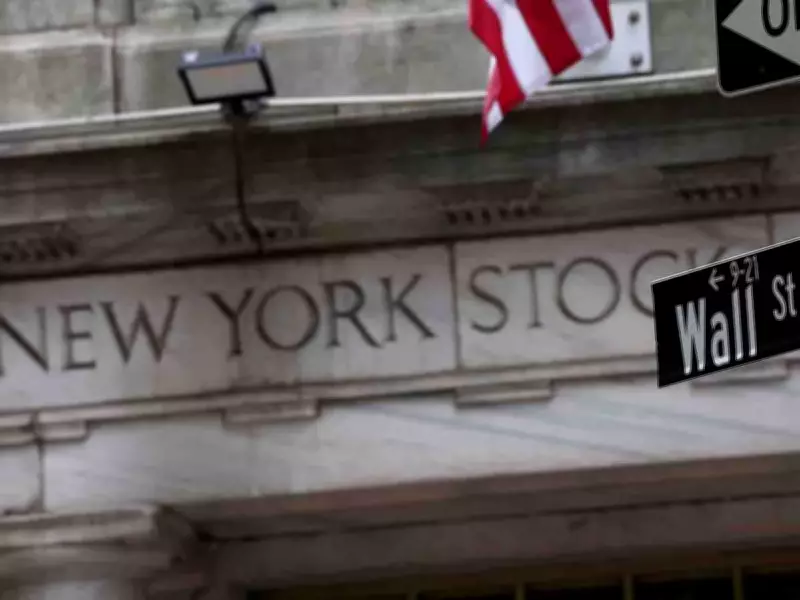
Veteran market strategist Ed Yardeni has significantly revised his economic outlook, increasing the probability of a sharp U.S. stock market selloff to 35% for the remainder of the year. This adjustment comes as escalating conflict in Iran continues to disrupt global markets during what Yardeni describes as "fast-moving times."
Revised Market Probabilities Reflect Growing Concerns
Yardeni has raised his forecast for a potential market meltdown from 20% to 35%, while simultaneously reducing the odds of a market rally driven by investor enthusiasm to just 5% from 20%. This substantial shift in weightings reflects mounting concerns about geopolitical instability and its economic repercussions.
The strategist's updated assessment arrives as oil prices surge above $100 per barrel, with investors bracing for a prolonged Middle Eastern conflict that could push energy costs even higher. These developments have already prompted investors to scale back expectations for Federal Reserve interest rate cuts, as they confront the dual challenges of slower economic growth and rising inflation.

Economic Pressures and Federal Reserve Dilemma
"The U.S. economy and stock market are stuck between Iran and a hard place currently. So is the Fed," Yardeni wrote in a recent analysis. "If the oil shock persists, the Fed's dual mandate would be stuck between the increasing risk of higher inflation and rising unemployment."
This economic pressure has manifested in several key indicators. The U.S. dollar has strengthened as a haven asset, with the Bloomberg dollar spot index climbing nearly 2% since the conflict began. While U.S. stocks have demonstrated relative resilience compared to global counterparts, the S&P 500 Index still declined 2% last week, while MSCI's broad global equities gauge fell 3.7%.
Market Dynamics and Investor Response
According to market analysts, the relative stability of U.S. equities can be partially attributed to greater American energy self-sufficiency compared to other regions like Asia. Additionally, concerns about artificial intelligence spending and potential business disruptions had already tempered some market enthusiasm before the conflict escalated.
Market activity reflects growing investor apprehension. S&P 500 futures dropped more than 2% during Asian trading hours before recovering some losses as Group of Seven finance ministers prepared to discuss a potential joint release of oil reserves. Meanwhile, hedge funds increased short positions in U.S. equity exchange-traded funds, and the Cboe VIX Index surged to its highest level since April's tariff turmoil.
Interest Rate Expectations and Geopolitical Developments
Investors have now pushed back expectations for the Federal Reserve's next quarter-point rate cut to September. Before the conflict erupted in late February, traders had fully priced in a rate reduction by July. Some bond options traders are now speculating that the Fed might not implement any rate cuts this year.
Geopolitical developments continue to fuel market uncertainty. Former President Donald Trump recently stated that military action against Iran was worth any near-term economic pain, describing $100 oil as a "small price to pay" for potential long-term benefits. Meanwhile, Iran's appointment of Mojtaba Khamenei, the hardline son of assassinated Ayatollah Ali Khamenei, as its new supreme leader suggests Tehran remains committed to its current military stance.
As these factors converge, Treasury yields have responded accordingly, with the 10-year Treasury yield rising four basis points to 4.18% as traders account for higher inflation expectations. The Bloomberg dollar spot index reached its highest level since January 16, climbing as much as 0.7% amid the ongoing uncertainty.