






Global Markets Plunge as Oil Surges Past $100 Amid Middle East Conflict
Oil Hits $100, Stocks and Bonds Slide in Global Market Turmoil

Global Financial Markets Reel as Oil Prices Surge Past $100 Threshold

Financial markets worldwide experienced substantial declines on Monday as escalating tensions in the Middle East sent oil prices soaring above US$100 per barrel for the first time since 2022. The conflict has triggered renewed volatility across global markets, with stocks, bonds, and currencies all showing significant movement in response to the energy market turmoil.

Market Indicators Show Widespread Declines

S&P 500 futures dropped 0.8 percent in early trading, reflecting investor anxiety about the economic implications of sustained high oil prices. Brent crude oil surged dramatically by 10 percent to reach US$102 per barrel after Saudi Arabia joined other Gulf producers in announcing output cuts. This development has intensified concerns about a potential global inflation shock that could impact economic recovery efforts across multiple continents.

The bond market also faced substantial pressure, with the yield on 10-year U.S. Treasuries advancing two basis points to 4.16 percent. Meanwhile, the U.S. dollar strengthened by 0.3 percent, reaching its highest level since January as investors sought safe-haven assets. Gold prices declined to approximately US$5,100 per ounce despite typically serving as a refuge during geopolitical uncertainty.

Wide Pickt banner — collaborative shopping lists app for Telegram, phone mockup with grocery list

Initial Market Reactions and Subsequent Moderation

The initial market reaction was even more severe, with steeper declines in equities and bonds alongside more dramatic oil price increases. However, news that Group of Seven finance ministers would discuss a potential coordinated release of oil from strategic reserves helped moderate some of the extreme market movements. This announcement provided temporary relief to traders concerned about sustained supply disruptions.

Despite this intervention, market analysts remain concerned about the underlying tensions. "The selloff is all about oil, it's about the inflation that is deduced from it, it's about the risk of stagflation," explained David Kruk, head of trading at La Financiere de l'Echiquier in Paris. "The market is anticipating the worst-case scenario."

Sector-Specific Impacts and European Vulnerabilities

Specific sectors showed particularly pronounced reactions to the market turbulence. Mining and airline stocks tumbled in premarket trading due to heightened concerns about energy costs and broader economic growth prospects. Technology heavyweights, including the so-called Magnificent Seven, also lost ground as investors reassessed growth expectations in a potentially inflationary environment.

European markets demonstrated particular vulnerability to the energy price shock. A gauge of blue-chip European stocks approached a 10 percent decline from its February peak, while European bonds experienced a steeper selloff than their U.S. counterparts. Traders have fully priced in two European Central Bank interest-rate hikes and increased bets on a Bank of England policy move in response to inflationary pressures.

"Brent above US$100 is a real risk for inflation and the economy," warned Andrea Gabellone, head of global equities at KBC Securities. "The EU economy is the most vulnerable with a double hit from the oil and gas price spike, and let's not forget, another war closer to home."

Geopolitical Context and Market Outlook

The market turmoil stems directly from escalating military actions in the Middle East. Arab states across the Persian Gulf and Israel continue to face incoming missiles and drones from Iran, whose leadership has indicated capacity to sustain conflict for months. Israel has responded with strikes on fuel depots in Tehran and threats against Iran's power infrastructure.

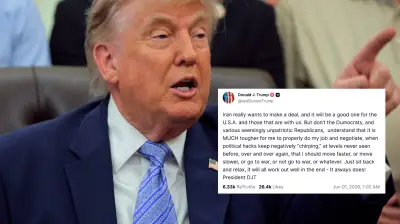
U.S. President Donald Trump has characterized higher oil prices as "a very small price to pay" for national security, while reportedly considering deployment of special forces to secure Iran's near-bomb-grade uranium according to diplomatic sources familiar with the discussions.

Pickt after-article banner — collaborative shopping lists app with family illustration

Despite the significant market movements, some analysts note that reactions have remained relatively restrained compared to potential worst-case scenarios. "We have not yet seen markets capitulate," observed Wolf von Rotberg, equity strategist at Bank J Safra Sarasin. "As oil infrastructure has been hit over the weekend, a prolonged rise in oil prices becomes more likely and a quick reversal of recent moves becomes increasingly difficult."

The market situation remains fluid as traders monitor both geopolitical developments and potential policy responses from major economies. The intersection of energy market dynamics, inflation concerns, and military conflict continues to create unprecedented challenges for global financial stability and economic planning.