IMF Urges Preparation for 'Unthinkable' Amid Middle East Conflict
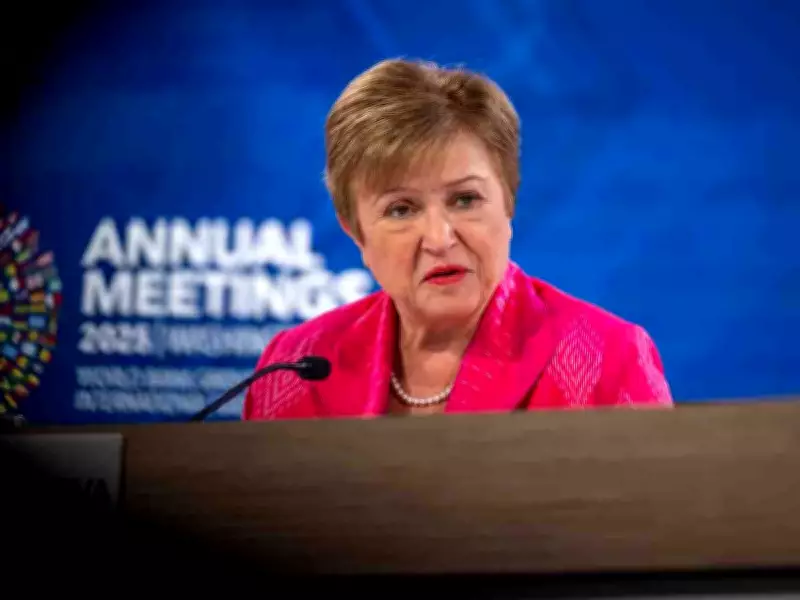
International Monetary Fund Managing Director Kristalina Georgieva has issued a stark warning about the economic consequences of prolonged hostilities in the Middle East, stating that policymakers must prepare for a "new normal" of unexpected challenges. Speaking at a symposium in Tokyo, Georgieva emphasized that extended conflict in the region poses clear risks to market sentiment, economic growth, and inflation worldwide.
Market and Economic Risks
Georgieva highlighted that if the conflict proves lengthy, it could significantly impact financial markets and global economies. "If the new conflict proves prolonged, it has clear and obvious potential to affect market sentiment, growth and inflation, placing new demands on policymakers," she said. She added that shocks could persist even after hostilities end, creating ongoing uncertainty. "In this new global environment, think of the unthinkable and prepare for it," Georgieva urged, stressing the need for nations to strengthen domestic policies to build resilience against such disruptions.
Oil Price Surge and Energy Disruptions
The warning comes amid escalating tensions that have driven oil prices toward $120 a barrel, with the United Arab Emirates, Kuwait, and Iraq reducing output as storage fills up due to the effective closure of the Strait of Hormuz. Georgieva noted that shipping traffic through this critical waterway has plummeted by 90%, affecting global energy supplies. The strait carries approximately one-fifth of global oil and liquefied natural gas trade, including half of Asia's oil imports and a quarter of its LNG imports. For Japan, this accounts for nearly 60% of its oil and 11% of its LNG supplies, making it particularly vulnerable to price spikes.

Economic Impact Analysis
Georgieva outlined potential economic damage, estimating that a 10% increase in energy prices lasting a year could push global inflation up by 40 basis points and slow economic growth. The IMF plans to release a detailed analysis in its upcoming World Economic Outlook report in April. She advised policymakers to invest in strong institutions and policy frameworks to support resilient economies and private-sector-led growth, using available policy space as needed while rebuilding buffers afterward.
Global and Regional Implications
In Japan, which relies on the Middle East for about 90% of its oil imports, the surge in crude prices combined with a weak yen raises stagflation risks, potentially forcing increased fiscal spending and complicating central bank efforts to normalize policy. Georgieva emphasized that nations have control over their domestic policies and should prioritize getting "your own house in the best position to face these shocks." Her comments underscore the IMF's view that global economic stability hinges on proactive preparation for unforeseen challenges in an increasingly volatile geopolitical landscape.