
Canada's population drops post-pandemic due to immigration policy
New data reveals Canada's first population decline since the pandemic, driven by tighter immigration rules. Explore the economic and demographic impacts of this significant shift.

New data reveals Canada's first population decline since the pandemic, driven by tighter immigration rules. Explore the economic and demographic impacts of this significant shift.

Canada's population fell by 76,068 in Q3 2025, the first quarterly drop since COVID-19. The decline is driven by fewer foreign students and workers. Read the full analysis.
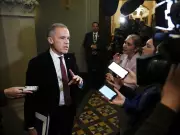
The Carney government has finalized methane regulations, allowing oil and gas producers to design their own reduction plans if they meet strict targets. Learn about the policy shift and its impact.

Business owners in Montreal's Milton Park area are launching a class-action lawsuit, citing safety concerns linked to the homeless population. Get the latest details on this developing local story.

As Alberta redraws its electoral map, adding two MLAs, Edmonton voices concern over diluted representation. Learn about the city's rapid growth and the principles of a fair electoral system.
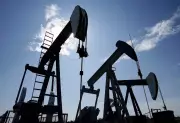
The federal government has announced a new regulatory framework to significantly reduce methane emissions from Canada's oil and gas operations and landfills. Learn about the key targets and implications for the environment and industry.

The Canadian government has announced stringent new regulations aimed at dramatically cutting methane emissions from the oil and gas industry. Learn about the key targets and implications.

The Carney government unveils new methane regulations for oil, gas, and landfills, phasing in from 2028. The rules aim to cut emissions but will slightly slow GDP and production growth in B.C., Alberta, and Saskatchewan. Read the details.

Mayor Soraya Martinez Ferrada commends Montrealers for donating sleeping bags and gloves after her urgent call for help as temperatures plunge below -20°C with wind chill.

Members of Canada's Net-Zero Advisory Body warn the federal government risks further resignations, citing frustrations over policy implementation and influence. Read the full report.
Weekly climate news from B.C. and beyond: Premier Eby floats a second pipeline idea, food costs could surge six per cent, and global climate facts. Stay informed on the crisis.

Farmers report scarce deer populations in southern Saskatchewan, with chronic wasting disease cited as a major factor. Get the latest on this wildlife and agricultural concern.

The federal government is under fire for its climate action following resignations from its net-zero advisory body. Key experts have stepped down, raising questions about Canada's 2050 targets.

The Region of Waterloo confronts potential water capacity challenges as its population expands, raising questions about future infrastructure needs. Read more on the looming resource issue.

An 'incredible' old-growth yellow cedar was cut down in B.C., raising serious questions about the enforcement of the province's big-tree protection law. Advocates demand answers.
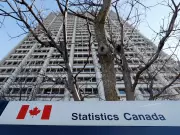
Statistics Canada reveals a significant undercount of non-permanent residents in the 2021 census, with a missed rate of 38%. This gap highlights challenges in tracking Canada's population accurately.

Former environment minister Steven Guilbeault concedes Canada won't meet its 2030 emissions target. Get the full story on this major climate policy admission.

A new federal-Alberta pipeline agreement has drawn fire from advocates who warn it could undermine Canada's climate goals and invite copycat demands from other provinces. Read the analysis.

A major conservation success story unfolds as the critically endangered Vancouver Island marmot population rebounds to 427 animals in the wild. Discover the efforts behind this remarkable recovery.

Edmonton's population is exploding, set to reach 1.25 million by 2027—five years ahead of schedule. Discover how the city plans to manage this rapid growth and its impact on infrastructure and housing.

Canada's economy exceeded expectations with 2.6% growth in Q3 2025, rebounding from tariff-driven contraction. Strong trade balance fuels recovery.

Alberta Premier Danielle Smith secures key federal concessions on emissions caps in new pipeline MOU with PM Carney. While promising, the agreement faces significant hurdles before construction.

Prime Minister Carney secures major energy agreement with Alberta, setting emissions targets for new oil pipeline construction. Read the full details of this historic deal.

Canada announces groundbreaking 75% methane reduction target in new pipeline agreement, balancing environmental goals with economic development. Learn how this affects Alberta's energy sector.

A new report shows Alberta's health care spending is growing faster than the economy, reaching $9,597 per person in 2025. Discover the key factors driving this increase.
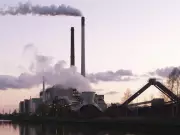
Parliamentary Budget Officer joins four other independent analyses concluding federal emissions targets are unachievable, revealing a $200+ billion climate program failing to deliver results.
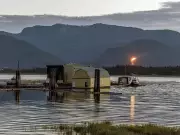
Independent review finds British Columbia only halfway to 2030 emissions targets. LNG development requires massive electricity, threatening climate progress. Read the full analysis.

New analysis reveals British Columbia's liquefied natural gas strategy threatens to undermine provincial climate goals. Learn how LNG expansion impacts emission targets.
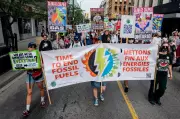
Ontario's repeal of emissions targets looms over landmark climate lawsuit as environmental advocates challenge provincial climate policies. Learn about the legal battle's implications.

RTOERO advocates for a coordinated seniors strategy and tailored healthcare for Ontario's rapidly aging population, meeting with nearly 40 MPPs to address systemic gaps.