A judge in Vancouver has postponed a crucial decision on whether to dismiss a murder conviction in British Columbia, citing significant delays in the judicial process as the central issue. The ruling, which was reserved following a court hearing, will determine if the conviction is overturned due to violations of the defendant's right to a timely trial.
The Core Legal Argument: Unreasonable Delay
The defense's application hinges on the argument that the time it took to bring the case to trial constituted an unreasonable delay. This directly engages the constitutional right to be tried within a reasonable time, as established under the Canadian Charter of Rights and Freedoms. The judge's eventual decision will analyze the timeline of proceedings and the reasons for any postponements.
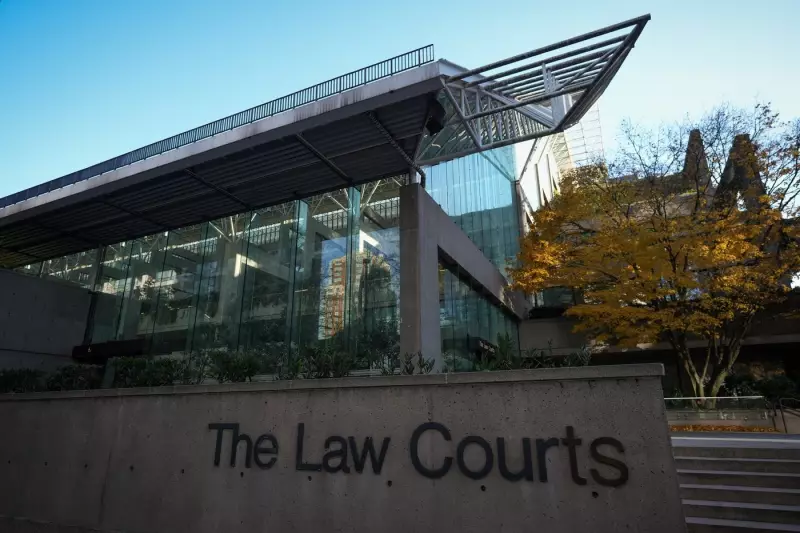
The hearing took place at the Law Courts building in Vancouver, which houses both the B.C. Supreme Court and the Court of Appeal. The case underscores ongoing challenges within the provincial justice system regarding trial scheduling and backlog management.

Potential Consequences and Legal Precedent
If the judge rules in favor of the application, the murder conviction would be thrown out. Such an outcome would have profound implications, not only for the specific case but also for how courts in British Columbia manage and prioritize their dockets to avoid similar challenges in the future. It places the administration of justice itself under scrutiny.
The reserved decision means that a final ruling will be delivered at a later date, after the judge has thoroughly considered all legal submissions. This case is being closely watched by legal experts as it touches on the fundamental balance between judicial efficiency and the right to a fair trial.
Context Within the B.C. Justice System
This proceeding occurs against a backdrop of broader discussions about court delays across Canada. Decisions like this one can influence how trial timelines are interpreted and enforced in other serious criminal cases. The outcome could prompt systemic reviews or procedural changes aimed at expediting the judicial process while upholding defendants' rights.
The judge's reserved ruling marks a critical juncture, leaving both the prosecution and defense awaiting a verdict that will clarify the limits of acceptable delay in the province's highest courts.