

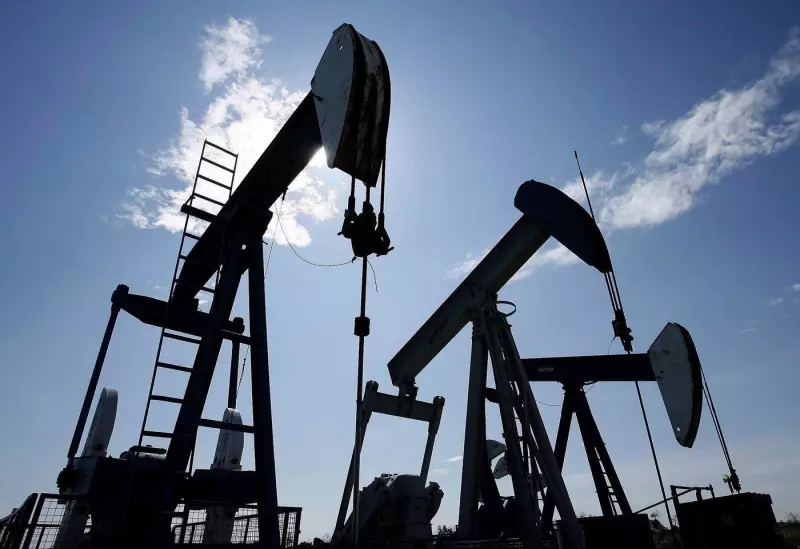
The Canadian government has rolled out a comprehensive new strategy aimed at slashing methane emissions from two major sources: the oil and gas sector and municipal landfills. Announced on December 16, 2025, the plan introduces stricter regulations to combat a potent greenhouse gas that is a key driver of climate change.
Targeting the Oil and Gas Industry
The federal initiative sets ambitious targets for methane reduction within the oil and gas industry. Methane is over 80 times more potent than carbon dioxide at trapping heat in the atmosphere over a 20-year period, making its control critical for meeting Canada's climate commitments. The regulations will require operators to implement enhanced leak detection and repair programs, upgrade equipment, and adopt new technologies to capture emissions that are currently vented or flared.
This move is part of a broader international effort, as methane has been a focal point in recent global climate discussions. The oil and gas sector is one of the largest anthropogenic sources of methane in Canada, and these rules are designed to bring the country in line with its pledge to cut overall methane emissions by at least 75% below 2012 levels by 2030.

Cracking Down on Landfill Emissions
Beyond the energy sector, the plan also takes aim at methane produced by decomposing organic waste in landfills. New standards will be established to mandate the capture and destruction of landfill gas, which is primarily composed of methane. This will involve requirements for more landfills to install gas collection systems and potentially utilize the captured methane as an energy source, turning a harmful emission into a usable resource.
This component of the strategy addresses a significant and growing source of emissions, particularly as urban centers expand. It aligns with other federal and provincial waste diversion goals, pushing for a more circular economy where less organic material ends up buried and emitting gases.
Implications and Next Steps
The announcement signals a significant tightening of environmental rules for two major Canadian industries. For the oil and gas sector, compliance will necessitate upfront capital investment but is also seen as an opportunity to improve operational efficiency and demonstrate environmental stewardship in a competitive global market. For municipalities and waste management companies, the landfill regulations will require infrastructure upgrades and could accelerate investment in composting and anaerobic digestion facilities.
The regulatory framework is expected to be finalized after a consultation period, with the new rules coming into force in the coming years. The government has indicated that the plan will not only help fight climate change but also improve air quality and create jobs in the clean technology sector. This dual focus on industry and waste management underscores a multi-pronged approach to tackling one of the most pressing environmental challenges.






