

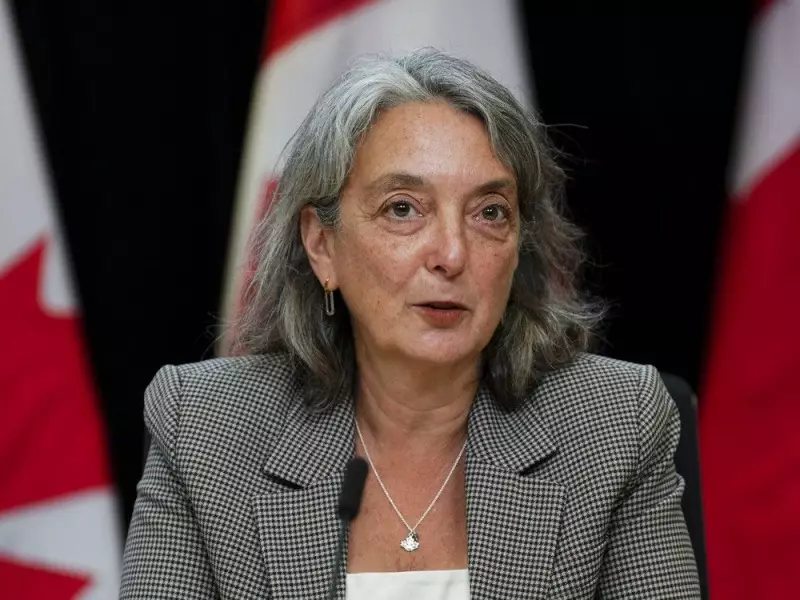
The federal government is set to impose significantly stricter methane emission regulations on Canada's oil and gas sector and landfills, marking the first major environmental policy tightening under Prime Minister Mark Carney. Environment and Climate Change Minister Julie Dabrusin is scheduled to announce the details in Vancouver.
Two-Path Approach for Oil and Gas Sector
According to a draft press release, the new rules will be phased in starting in 2028. Onshore oil and gas producers and processors will be given two distinct options to reduce methane, a potent greenhouse gas.
The first, more prescriptive path will prohibit the routine venting and flaring of excess natural gas and mandate companies to establish regular inspection schedules to find and repair leaks, a major source of methane emissions.

The second option grants industry more flexibility, allowing operators to design their own control strategies. However, this is contingent on facilities meeting emission thresholds aligned with leading international voluntary certification programs. Industry representatives have previously contended that such alternative frameworks are not yet fully developed.
Expanding the Crackdown to Landfills
The regulatory overhaul extends beyond the energy sector. The government will also clamp down on methane from landfills, which accounted for 17 per cent of Canada's methane emissions in 2023.
Under the new rules, owners and operators of regulated landfills will be required to monitor landfill surfaces, gas recovery wells, and emission control equipment to curb the release of methane.
Economic and Environmental Impact
The government estimates the regulations will deliver substantial environmental benefits, reducing greenhouse gas emissions by a cumulative 304 million tons of carbon dioxide equivalent by 2040.
However, the press release acknowledges an economic trade-off. The measures are projected to slightly slow the projected growth of oil and gas production in British Columbia, Alberta, and Saskatchewan, as well as have a modest dampening effect on the country's overall GDP growth.
This move represents a shift in approach for the Carney government, which since taking power in March has rolled back several signature environmental policies of the previous Trudeau administration. Those actions included eliminating the consumer carbon tax, significantly watering down the industrial emissions cap, and signing an agreement with Alberta to facilitate new pipeline development.
The stricter methane rules are likely to meet resistance from major oil and gas companies. While many support Canada's commitment to slash methane emissions by 75 per cent from 2012 levels by 2030, they have consistently advocated for more autonomy in determining how to achieve those targets.






