Nvidia Forecasts $1 Trillion AI Chip Revenue Through 2027
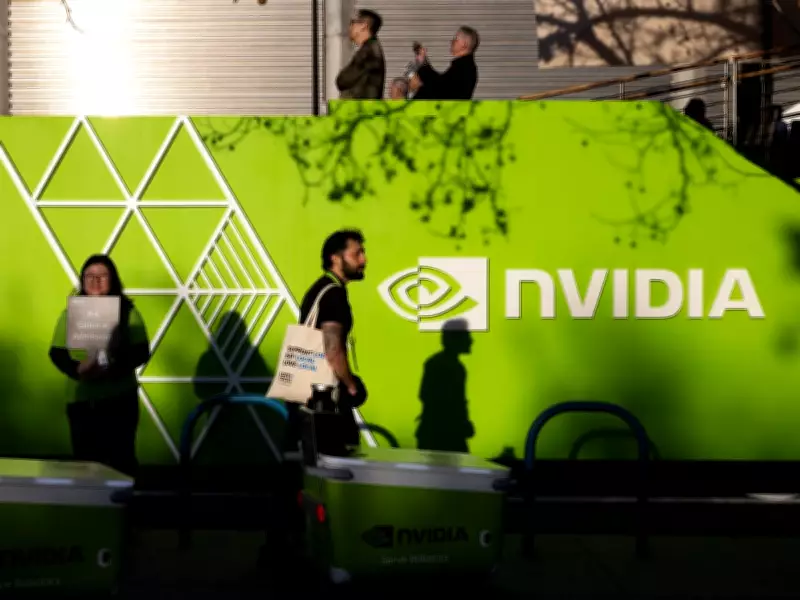
Nvidia Corp., the semiconductor giant at the forefront of the artificial intelligence computing revolution, has announced a bold projection: the company expects to generate at least US$1 trillion in revenue from its Blackwell and Rubin AI chips through the end of 2027. This forecast, delivered by CEO Jensen Huang during the company's annual GTC event in San Jose, California, extends the previous outlook by an additional year and underscores the massive scale of Nvidia's business operations.
Expanding Forecasts and Market Leadership
The latest projection represents a significant increase from earlier estimates, which had anticipated US$500 billion in sales by the end of 2026. This upward revision highlights the sustained demand for chips that develop and run advanced AI models, a market that has propelled Nvidia to become the world's most valuable company with a market capitalization of US$4.4 trillion. Despite this dominance, the cumulative figure does not necessarily indicate a dramatic acceleration in sales growth, but rather reflects the ongoing expansion of AI infrastructure worldwide.
New Product Rollouts and Strategic Moves
At the GTC event, Nvidia unveiled several new products and initiatives aimed at maintaining its competitive edge. The company introduced a chip developed using technology acquired from startup Groq, which is expected to enhance the responsiveness of artificial intelligence systems. Additionally, Nvidia showcased a computer built with general-purpose central processing units (CPUs), marking a strategic expansion into territory traditionally dominated by Intel Corp. Huang described the CPU opportunity as a "multibillion-dollar business", signaling Nvidia's ambitions beyond its core GPU offerings.

Mounting Competition and Market Challenges
Despite its success, Nvidia faces growing challenges from competitors and its own customers. Rivals like Advanced Micro Devices Inc. are intensifying their efforts in the AI chip market, while major technology companies are increasingly developing in-house chips to handle AI workloads. This competitive landscape has led to investor scrutiny, with many seeking reassurance that the market's growth trajectory remains robust. Nvidia's stock performance has reflected this uncertainty, with shares declining 3.4% year-to-date heading into the GTC presentation, though the company maintains its unparalleled market valuation.
Accelerated Technology Development
Nvidia has significantly accelerated its product development cycles in recent years, aiming to replace its entire lineup annually while introducing new components. The next generation of flagship AI processors, named Vera Rubin after the pioneering astronomer, is scheduled to appear in systems during the second half of 2026. This rapid innovation strategy is part of Nvidia's broader effort to promote artificial intelligence computing and retain customer loyalty through continuous technological advancement.
Industry Impact and Future Outlook
The GTC event serves as a platform for Nvidia to announce partnerships across various industries, demonstrating the expanding applications and benefits of AI technology. As the company navigates both opportunities and challenges, its $1 trillion revenue projection through 2027 represents a landmark forecast in the semiconductor industry. With AI spending continuing to flood the market, Nvidia's position at the center of this technological transformation remains both enviable and contested, setting the stage for ongoing developments in the global AI landscape.