One day this month, in a factory just outside Kyiv, Denys Shtilierman surveyed the drones that are transforming Ukraine's fightback against Russia. Shtilierman, co-founder of the Ukrainian military technology company Fire Point, produces about 300 long- and medium-range FP-1 and FP-2 drones a day at a cost of about €50,000 each.
The unmanned aerial vehicles, or UAVs, hit Russian targets every day. They play a huge role in Ukraine's recent improvement in fortunes, together with other innovations in the country's drone war. Kyiv has taken the war to its enemy while slowing Russia's advances on the battlefield — despite reduced support from Donald Trump's United States.
Ambushes Near Russian Airports
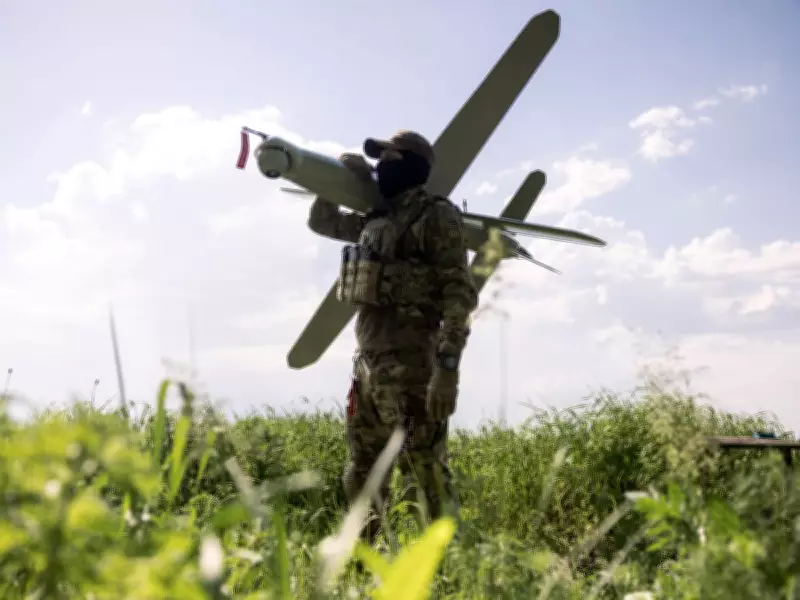
“We do ambushes near Russian airports,” Shtilierman said as he described a tactic against enemy aircraft used in recent weeks in occupied Crimea. He added that pilots equip fixed-wing FP-1 “mother ships” with two bomb-laden quadcopters — UAVs propelled by four rotors — so they can “sit near a Russian airport, wait until a plane comes to the airport, and then demolish it”.

Months after the country's morale hit a nadir and its allies despaired, Ukraine's turnaround has challenged the long-held conventional wisdom that Russia's bigger and better-equipped army can outlast Kyiv's — boosting Ukrainians' self-assurance to a level not seen in years.
Zelenskyy: Dynamics in Our Favour
“This month saw changes in the dynamics in our favour, in Ukraine's favour,” President Volodymyr Zelenskyy said last week. “We are holding more positions and inflicting more damage.” He added that the country's long-range hits on Russia were “especially significant”.
Indeed, days after Shtilierman walked past assembly lines churning out FP-1 wings and engines, scores of the cheaply produced weapons would fly hundreds of kilometres to Moscow and beyond in Ukraine's biggest bombardment of the Russian capital since the war began. The drones zipped through Russian air defences before plunging into oil refineries, sparking massive fireballs and plumes of black smoke visible from space.
Strongest Position Since War Began
Alyona Getmanchuk, head of Ukraine's mission to NATO, says her country is “now in one of its strongest positions since the beginning of the war” as it depends less on its partners. Ukrainian military officials and western experts agree that the country's military is stronger than at any time since Trump's return to office, as it fills gaps left by the U.S. through increased European aid and greater self-sufficiency.
In particular, the mass production of UAVs — at a scale and speed hard to imagine just a year ago — allows Kyiv to wage the long-range drone war and maintain a shorter-range “kill zone” along the front line. This has largely compensated for Ukraine's shortage of troops, slowing Russian offensives many feared would accelerate last year and this spring.
The Kremlin still holds out hope of overrunning Ukrainian forces this year and is inching forward most months. But the war's new phase marks a dramatic contrast with the start of the year, when Moscow held the initiative on the battlefield and a Russian winter air campaign destroyed much of Ukraine's energy infrastructure, bringing Kyiv — a city of around four million residents — to the brink of catastrophe.