In a development that could reshape the future of clean energy, a team of University of Alberta researchers has achieved a significant breakthrough in hydrogen production. The discovery, described as 'quite remarkable' by experts, promises a simpler, more efficient, and environmentally friendly way to generate hydrogen from water.
A Simple Yet Revolutionary Approach
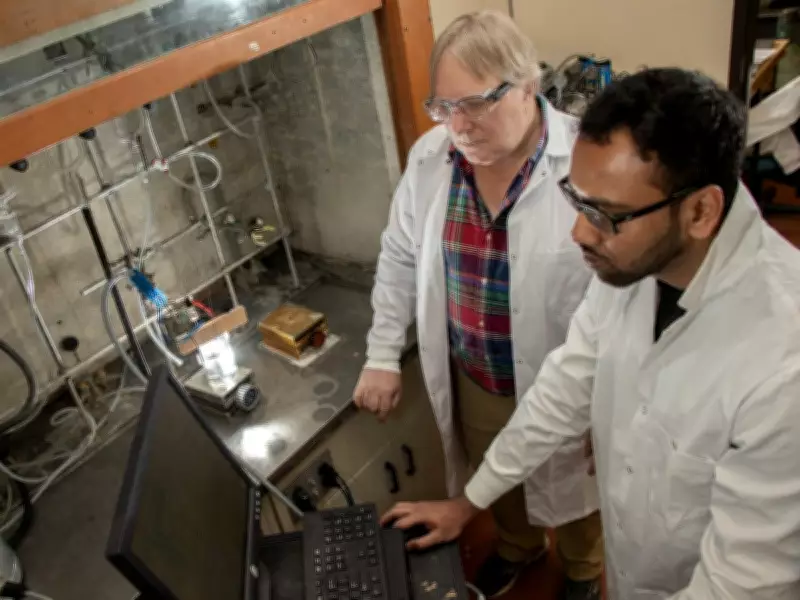
Led by chemistry professor Steven Bergens, the team has developed a water-reacting electrode that uses electrolysis to split water into hydrogen and oxygen. Unlike traditional methods such as steam reforming, which require high temperatures and produce carbon dioxide, this new process is clean and operates under normal conditions. 'Our project is all about making a water-reacting electrode that is very active, inexpensive, and easy to manage,' Bergens explained. The electrode requires no special equipment or complex architecture, making it accessible for widespread use.
From Idea to Reality
The breakthrough came after years of research and a moment of disbelief when a student reported that the electrode worked. 'I said, ‘No, it doesn’t. Nothing works that good,’' Bergens recalled. But tests confirmed the success, and the team quickly realized the potential. The electrode can operate using salt water, which covers 95% of the planet, eliminating the need for freshwater desalination. 'We tossed it in there, and it worked just fine,' Bergens said.

Applications Across Industries
Hydrogen is a versatile molecule with numerous applications. It is used to clean oil, remove nitrogen and sulphur, power fuel cells, produce carbonless steel, and even in vegetable oil processing. In Alberta, home to one of the largest fertilizer plants in the world, hydrogen is essential for agriculture. 'Alberta’s got one of the biggest fertilizer factories on the planet, and they use hydrogen,' Bergens noted. Additionally, hydrogen can be blended with natural gas to heat homes, reducing carbon emissions.
Overcoming the Power Challenge
One of the main hurdles for hydrogen production is the electricity required for electrolysis. However, the U of A team envisions using renewable energy sources such as solar, wind, and tidal power to drive the process. 'I sit at the ocean, I see the wave energy, I see tide energy, wind energy, sunlight, and all that salt water, and I think ‘That’s a lot of hydrogen!’' Bergens said. This approach could make hydrogen production truly sustainable and cost-effective.
Environmental and Economic Impact
The new method not only produces hydrogen without carbon emissions but also has the potential to clean polluted water. 'If you can use this to clean dirty water, it’s so important to get this to work,' Bergens emphasized. The technology could play a key role in the global transition to green energy, reducing reliance on fossil fuels and supporting industries that depend on hydrogen. With Alberta's economy deeply tied to energy, this breakthrough could have far-reaching benefits.
The research team is now working to scale up the technology and bring it to commercial viability. As the world seeks solutions for climate change and sustainable energy, this hydrogen breakthrough from Edmonton offers a promising path forward.