In a surprising twist for workplace technology, employers across various sectors are reporting that artificial intelligence (AI) is actually making the hiring process more difficult, not easier as initially anticipated. This revelation comes from industry experts and human resources professionals who highlight the unintended consequences of integrating AI into recruitment strategies.
The Promise Versus The Reality of AI in Hiring
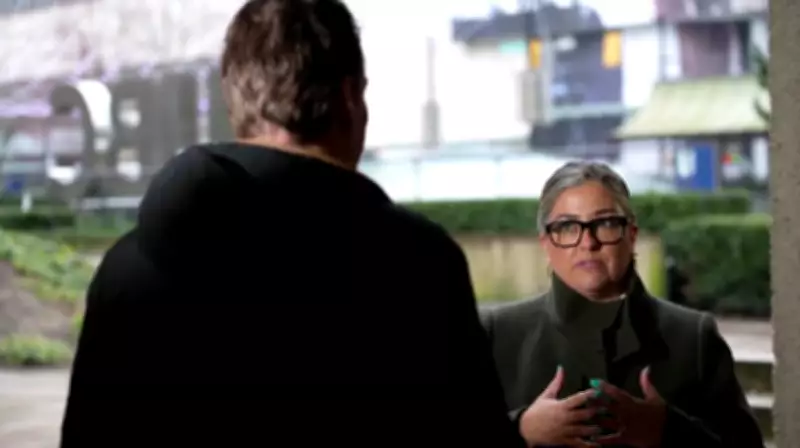
Artificial intelligence was widely promoted as a solution to streamline hiring, reduce biases, and efficiently sort through large volumes of applications. However, many employers now find that the implementation of AI tools has introduced new layers of complexity. According to Tara Parry, Director of Permanent Services at Robert Half, the technology often fails to account for nuanced human qualities and unique career paths that don't fit standardized algorithms.
Increased Complexity and Bias Concerns
One of the primary issues cited is that AI systems can inadvertently perpetuate or even amplify existing biases if not carefully calibrated. These systems rely on historical data, which may reflect past discriminatory hiring practices. Consequently, they might overlook qualified candidates from diverse backgrounds or unconventional career trajectories. Furthermore, the over-reliance on keyword matching and rigid criteria can exclude talented individuals whose resumes don't align perfectly with algorithmic expectations.

Employers also note that managing and interpreting AI-generated data requires additional training and resources. The need for human oversight has increased, as professionals must regularly audit AI decisions to ensure fairness and accuracy. This dual-layer process—combining AI efficiency with human judgment—often slows down hiring rather than speeding it up, contradicting the initial promise of rapid recruitment.
The Human Element in a Digital Age
Despite technological advancements, the human element remains crucial in hiring. Skills such as emotional intelligence, cultural fit, and adaptive problem-solving are difficult for AI to assess accurately. Many employers emphasize that while AI can handle initial screenings, final hiring decisions still require personal interaction and professional intuition. This hybrid approach, though necessary, adds steps to the process and can lead to longer hiring cycles.
Additionally, candidates themselves are adapting to AI-driven systems, sometimes optimizing their applications in ways that may not reflect their true capabilities. This "gaming" of the system can result in mismatches between job requirements and employee skills, further complicating the hiring landscape. Employers must now navigate these challenges while striving to maintain a fair and effective recruitment process.
Looking Ahead: Balancing Technology and Humanity
As AI continues to evolve, experts recommend a balanced approach that leverages technology without losing the human touch. Continuous monitoring, bias training for AI systems, and transparent communication with candidates are essential steps. Employers are encouraged to view AI as a tool to augment, not replace, human decision-making in hiring.
The ongoing dialogue between technology developers and HR professionals is critical to refining AI applications in recruitment. By addressing these challenges head-on, businesses can work towards a future where AI truly enhances the hiring process, making it more efficient and equitable for all parties involved.