

Children Account for One-Third of All Food Bank Visits in Canada
A startling new statistic reveals that children now make up 33% of all visits to food banks across Canada, highlighting a growing crisis of food insecurity among the nation's youngest and most vulnerable populations. This troubling figure underscores the urgent need for innovative solutions to address childhood hunger and nutritional deficiencies in communities from coast to coast.
Saskatchewan Food Bank Takes Proactive Measures
In response to this alarming trend, a Saskatchewan-based food bank has implemented a groundbreaking initiative aimed at not only providing immediate food assistance but also empowering families with essential culinary skills. The program focuses on teaching children and their caregivers how to prepare nutritious, budget-friendly meals using ingredients commonly available through food bank distributions.
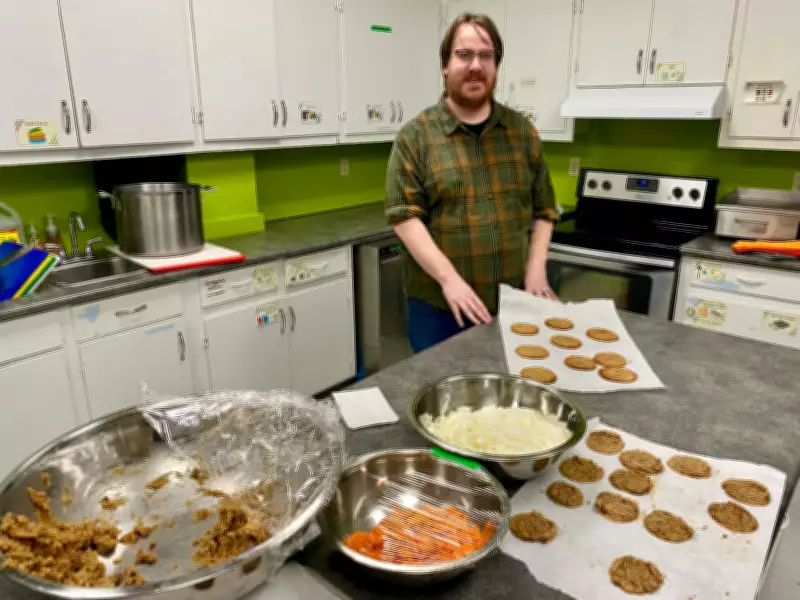
Graham MacDonald, a dedicated volunteer with the organization, has been at the forefront of this effort. "We're seeing more families with young children coming through our doors than ever before," MacDonald explains while preparing snacks for an upcoming cooking class. "It's not enough to just hand out food. We need to ensure families know how to make the most of what they receive."

Beyond Emergency Food Assistance
The Saskatchewan program represents a shift from traditional food bank models that primarily offer emergency food parcels. Instead, this initiative combines immediate relief with educational components designed to create lasting change. Cooking classes teach participants how to transform basic ingredients into multiple meals, while nutrition workshops emphasize the importance of balanced diets for growing children.
"The goal is to break the cycle of food insecurity," says MacDonald. "When children learn healthy eating habits and cooking skills early, they carry those lessons into adulthood. We're investing in their future well-being, not just addressing today's hunger."
A National Crisis Requiring Local Solutions
While the 33% figure represents a national average, food bank operators note that rates are particularly high in certain regions where economic challenges, rising living costs, and limited social supports converge. The Saskatchewan model offers a potential blueprint for other communities grappling with similar issues, demonstrating how localized approaches can complement broader policy solutions.
The program's success metrics extend beyond mere participation numbers. Organizers track improvements in participants' cooking confidence, changes in dietary patterns, and reductions in repeat visits to food banks. Early results suggest that families who complete the cooking classes are better equipped to stretch their food budgets and prepare more nutritious meals at home.
Looking Forward: Challenges and Opportunities
Despite these promising developments, food bank operators acknowledge significant challenges ahead. Rising food prices, housing costs, and economic uncertainty continue to drive demand for services. The disproportionate impact on children raises particular concerns about long-term developmental and health consequences.
However, the Saskatchewan initiative demonstrates that creative, community-based approaches can make a meaningful difference. By combining immediate food assistance with skill-building education, food banks can address both the symptoms and root causes of food insecurity. As MacDonald concludes, "Every child deserves reliable access to nutritious food. Our cooking classes are one small step toward making that a reality for more families in our community."






