Ontario Transportation Minister Prabmeet Sarkaria said in April that the province is exploring a southern ring road around Ottawa, reviving a decades-old debate about how to ease congestion on the city's only major east-west highway.
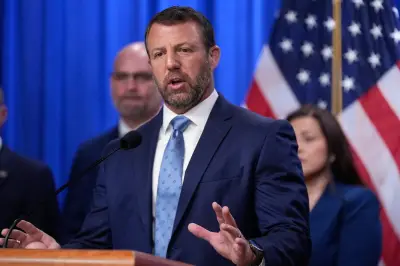
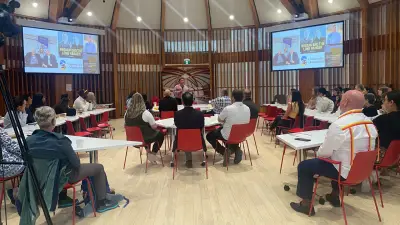
Speaking at a Mayor's Breakfast event, Sarkaria said there is “a good case” for the concept and that the province would examine its feasibility. The statement has given new momentum to a proposal that has been discussed by generations of politicians and planners but never built.
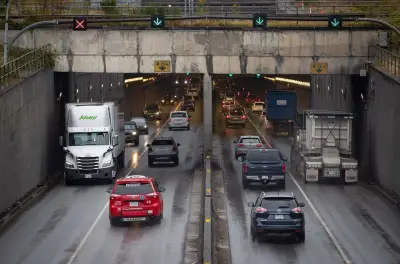
Residents frustrated by Highway 417 gridlock
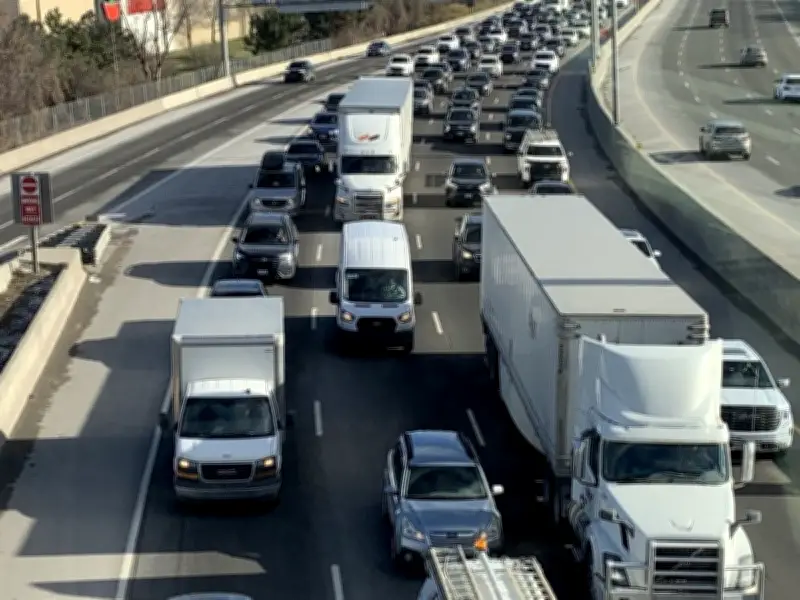
Gerry Dust, a retired lawyer who lives in Orléans, says his drive to his cottage west of Ottawa often begins with a gamble on whether Highway 417 will co-operate. What was once a 90-minute trip can now stretch far longer as traffic snarls across the city.

“It’s a pain in the butt, quite frankly,” Dust said. “I’m astonished at how blocked up it usually is.”
Dust believes Ottawa should finally build a ring road. He served on a committee examining the idea in the 1970s alongside former Cumberland mayor Brian Coburn and other local leaders. “When I first came to Ottawa in the early ’70s, this was being talked about,” Dust said. “Fifty years later, we’re still having the same conversation.”
Political support and opposition
Former mayor Larry O'Brien campaigned on the concept in 2010, describing a future “Highway 418” that would connect to Ontario's 400-series highway network. O'Brien argued Ottawa needed long-term planning for a bypass route, while then-mayoral challenger Jim Watson criticized it as environmentally damaging and a recipe for urban sprawl.
Supporters point to cities such as Calgary, Edmonton and Winnipeg, all of which have ring roads or perimeter highways designed to move traffic around cities rather than through them. Critics counter that building more roads rarely solves congestion and would pave over green space while encouraging more driving.
Councillor Tim Tierney pushes for action
Beacon Hill-Cyrville Coun. Tim Tierney has become one of the project's strongest advocates. Last year, he dressed up as a ring road for Halloween to draw attention to the issue. “When you believe in the ring road this much… you become the ring road,” he posted on social media.
Tierney argues the city's transportation system has reached a breaking point. “We only have one way to get through the city,” he said. Whenever a collision shuts down part of the Queensway, traffic spills onto local streets and neighbourhood roads. “It literally creates gridlock and paralysis.”
A ring road would give transport trucks and motorists an alternative route around the city. “A lot of the vehicles frankly don’t need to go through downtown, but they’re being forced to,” Tierney said. He noted that worsening congestion has become more noticeable as government workers return to the office.
Cost and environmental concerns
Tierney disputes concerns about the cost, saying his understanding is that any future ring road would be built as a provincially owned 400-series highway, meaning construction and maintenance costs would be paid by Queen's Park, not the city. “We’re not talking about something that would show up on your property tax bill,” he said.
William van Geest, executive director of Ecology Ottawa, opposes the proposal. He argues that building a ring road would encourage urban sprawl and increase greenhouse gas emissions, contradicting the city's climate goals. “We need to invest in public transit and active transportation, not more asphalt,” van Geest said.
The province has not released a timeline or cost estimate for the feasibility study. The debate continues as Ottawa grapples with growing traffic volumes and limited transportation options.