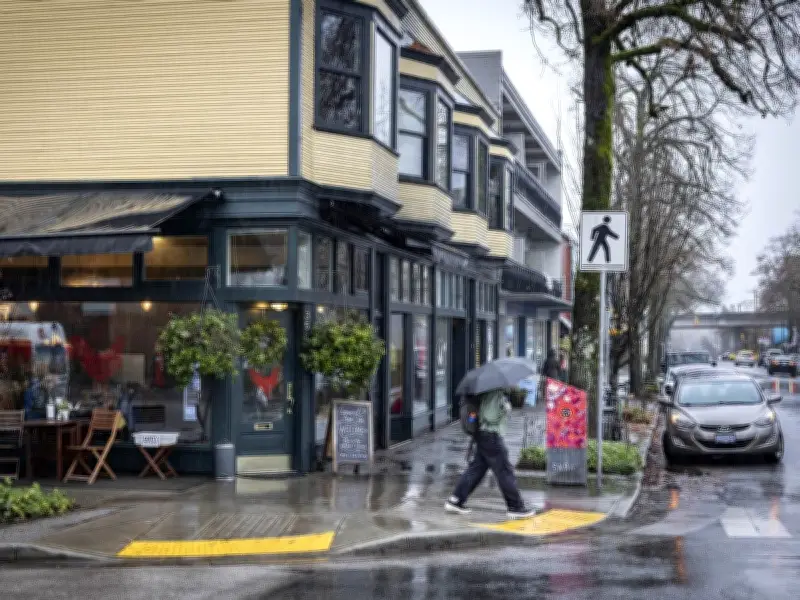
The City of Vancouver has proposed the Villages Plan, which would designate 17 areas across the city as neighbourhood villages, including the intersection of Commercial Drive and East 20th Street. The plan aims to create compact hubs where residents can live close to shops, services, restaurants, parks, and other amenities within a short walk, bike ride, or roll from home.
What the Villages Plan Proposes
Under the proposal, approximately 13,000 lots around 17 selected intersections would be pre-zoned for a range of new housing types. Some sites would allow townhouses and small apartment buildings, while others would permit apartment buildings up to six storeys. The plan is designed to increase housing density in areas currently dominated by detached housing, creating local commercial hubs that residents can walk to. Unlike traditional site-by-site rezoning, pre-zoning establishes permitted density and building form in advance, streamlining the development process.
Supporters' Perspective
Supporters argue that the Villages Plan is a logical step toward creating vibrant, complete communities. With Vancouver continuing to grow and housing remaining expensive, the plan offers a way to add homes in areas that already have some infrastructure. By concentrating density near transit and existing services, the city hopes to reduce car dependency and support local businesses. The plan is built around three popular concepts: walkable neighbourhoods, local businesses, and more housing options.

Critics' Concerns
Critics, however, question whether the city is focusing on the right locations. Many existing neighbourhood shopping streets are already struggling. For example, Dunbar Street has one of the highest retail vacancy rates on Vancouver's west side, and Point Grey Village faces similar challenges. Critics argue that creating new commercial nodes could exacerbate problems for existing businesses, as new retail space might arrive long before enough customers do.
According to Erick Villagomez, author of the opinion piece, the most common concern is whether Vancouver is focusing on the right locations. The city argues that added housing density around village centres will eventually provide the customer base needed to support local retail. Opponents worry that new retail space could create additional competition for businesses already under pressure.
Housing Choice and Commercial Expansion
Another concern involves housing choice. The Villages Plan is often presented as expanding options, but approximately 750 properties closest to proposed village intersections have been identified as future commercial expansion areas intended to accommodate retail growth. Critics argue this channels those properties toward four- to six-storey mixed-use redevelopment, limiting alternatives like small apartment blocks, townhouses, and laneway houses. Existing homeowners in these areas would also be unable to build additions to their homes.
The city maintains that the plan is about creating complete communities where residents can meet daily needs locally. However, the debate highlights a fundamental tension between the desire for walkable neighbourhoods and the practical challenges of implementing such a plan in a city with existing commercial vacancies and diverse housing preferences.