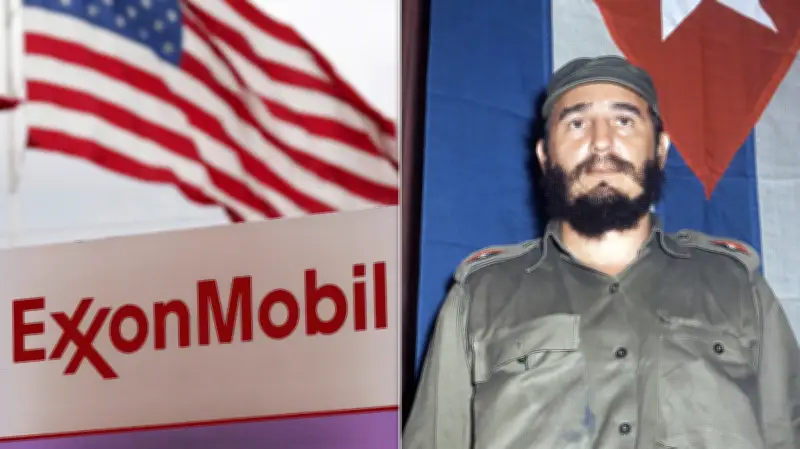
The Supreme Court on Tuesday ruled in a 6-3 decision that ExxonMobil can sue Cuban state-owned companies in American courts over property seized after Fidel Castro's rise to power. This marks the second ruling in two months favoring U.S. owners of confiscated Cuban property, potentially giving the Trump administration additional leverage to pressure Cuba amid an existing U.S. oil embargo.
Legal Basis and Lower Court Reversal
The case centered on the 1996 Helms-Burton Act, specifically whether it removes sovereign immunity typically protecting foreign countries and state-owned businesses from lawsuits in U.S. courts. The justices reversed a lower-court ruling that had found Cuban state-owned companies immune from such lawsuits. ExxonMobil seeks compensation for assets owned by subsidiaries of Standard Oil, its predecessor, including over 100 service stations and an oil refinery.
Previous Ruling and Congressional Intent
Last month, the court revived claims by a U.S. company that operated docks in Havana against four cruise lines that brought tourists to Cuba during the Obama-era thaw. That case also relied on Title III of Helms-Burton, which allows Americans to sue entities engaging in commercial activity or benefiting from confiscated property. Congress passed the law after the 1996 downing of civilian planes flown by Miami-based exiles.

Presidential Suspension and Trump's Action
Before the first Trump administration, every president had suspended Title III due to objections from U.S. allies doing business in Cuba and concerns about future negotiations. Trump lifted the suspension in 2019, and ExxonMobil filed its lawsuit the same day.
Claim Valuation and Broader Impact
The U.S. Foreign Claims Settlement Commission valued ExxonMobil's property at $71.6 million in 1969, plus 6% annual interest from 1960, now worth around $3 billion with treble damages. The commission also found nearly 6,000 individuals and businesses held claims totaling $1.9 billion, before interest or damages. This ruling could enable further lawsuits against entities benefiting from confiscated Cuban property.