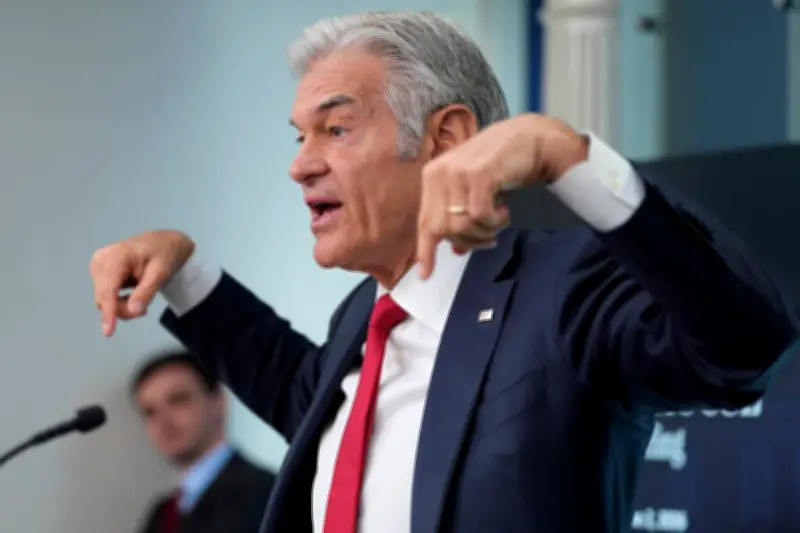
A Texas physician has been charged in connection with an $89 million Medicare fraud scheme, marking the latest action in the Trump administration's intensified crackdown on health-care fraud. Centers for Medicare & Medicaid Services (CMS) Administrator Dr. Mehmet Oz announced the charges during a press briefing at the White House on Tuesday.
Details of the Fraud Case
The doctor, whose name has not been released pending arraignment, allegedly submitted fraudulent claims for medically unnecessary procedures and services over a multi-year period. According to court documents, the scheme involved billing Medicare for expensive diagnostic tests and treatments that were never performed or were not justified by patients' medical conditions. The $89 million in false claims represents one of the largest single-provider fraud cases in recent years.
Federal prosecutors allege that the doctor used kickbacks and patient referrals to generate the fraudulent billing. The case is part of a broader effort by the Department of Justice and the Department of Health and Human Services to combat waste and abuse in federal health programs.

Administration's Health-Care Enforcement Push
Dr. Oz, a former television personality and cardiothoracic surgeon who was confirmed as CMS administrator in 2025, emphasized the administration's commitment to protecting taxpayer dollars. “This case sends a clear message: we will not tolerate those who exploit the Medicare system for personal gain,” Oz said. “Every dollar stolen from Medicare is a dollar taken from the seniors and vulnerable Americans who depend on it.”
The charges come as the Trump administration has increased funding for health-care fraud detection and enforcement. Since January, CMS has implemented new data analytics tools to identify suspicious billing patterns, leading to a 30% increase in fraud investigations compared to the same period last year.
Impact on Medicare and Patients
Medicare fraud not only costs taxpayers billions annually but also can harm patients who receive unnecessary or dangerous procedures. The Government Accountability Office has estimated that improper payments in Medicare exceed $60 billion per year. The Texas case underscores the need for robust oversight, according to health policy experts.
“The scale of this fraud is shocking, but it's not an isolated incident,” said Dr. Lisa Martinez, a professor of health policy at Georgetown University. “Systemic vulnerabilities in Medicare billing allow bad actors to exploit the system unless regulators stay vigilant.”
The defendant faces multiple counts of health-care fraud, conspiracy, and money laundering, each carrying potential prison sentences of up to 20 years. A preliminary hearing is scheduled for next week in federal court in Houston.