Toronto City Council Votes to Establish Paid Sidewalk Snow Shoveling Program
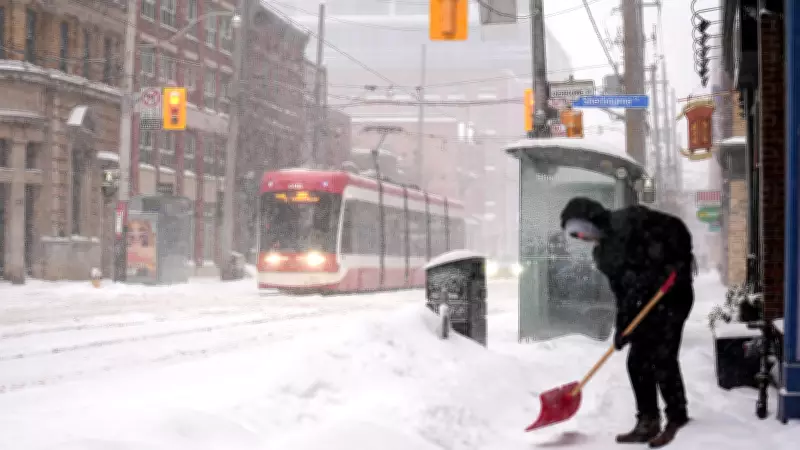
In a significant move to enhance winter safety and accessibility, Toronto City Council has voted to develop a paid sidewalk snow shoveling program. This decision, made on March 26, 2026, aims to address the persistent challenges of snow removal on city sidewalks, which can pose hazards for pedestrians, especially seniors and individuals with disabilities.
Addressing Winter Accessibility Concerns
The program is designed to provide a systematic approach to clearing sidewalks after snowstorms, ensuring safer passage for all residents. Currently, property owners are responsible for shoveling sidewalks adjacent to their properties, but compliance can be inconsistent, leading to blocked pathways and increased risk of slips and falls. The new initiative seeks to mitigate these issues by offering a paid service that guarantees timely snow removal.
This program reflects the city's commitment to improving public safety during the harsh winter months, a period that often sees heavy snowfall in Toronto. By implementing a structured shoveling service, the council hopes to reduce accidents and improve mobility for everyone, from commuters to schoolchildren.

Program Details and Implementation
While specific details of the program are still being finalized, it is expected to involve hiring contractors or city workers to clear sidewalks in designated areas. Key aspects under consideration include:
- Priority zones: Focusing on high-traffic areas such as school routes, transit stops, and commercial districts.
- Funding mechanisms: Exploring options like municipal budgets, user fees, or partnerships with local businesses.
- Operational logistics: Determining response times and equipment needs to ensure efficiency.
The council's vote follows growing public demand for better snow management, particularly after severe storms like the one on January 25, 2026, which left many sidewalks impassable. Advocates have long argued that unreliable shoveling poses a significant barrier to accessibility, affecting daily activities for vulnerable populations.
Broader Implications for Urban Winter Management
This initiative aligns with broader efforts in Canadian cities to adapt to climate-related challenges, including unpredictable winter weather. By investing in paid shoveling services, Toronto joins other municipalities in prioritizing infrastructure resilience and community well-being.
The program is also seen as a potential job creator, offering employment opportunities during the winter season. As the city moves forward with development, further consultations with residents and stakeholders are planned to refine the program's scope and ensure it meets community needs effectively.