Sidewalks, Housing, and Urban Decay Take Center Stage in CBRM's Opening Budget Session
The Cape Breton Regional Municipality (CBRM) kicked off its annual budget deliberations with a sharp focus on pressing community concerns, including deteriorating sidewalks, a deepening housing crisis, and the spread of urban decay. These topics dominated the first day of discussions as council members and municipal staff grappled with allocating limited resources to address long-standing infrastructure and social challenges.
Infrastructure Woes and Public Safety
Among the most urgent issues raised was the state of sidewalks across the municipality. Residents and business owners have voiced increasing frustration over cracked, uneven, and unsafe walking paths, which pose significant risks, especially for seniors and individuals with mobility challenges. The budget talks highlighted the need for a comprehensive repair and maintenance plan, with estimates suggesting that millions of dollars may be required to bring sidewalks up to standard.
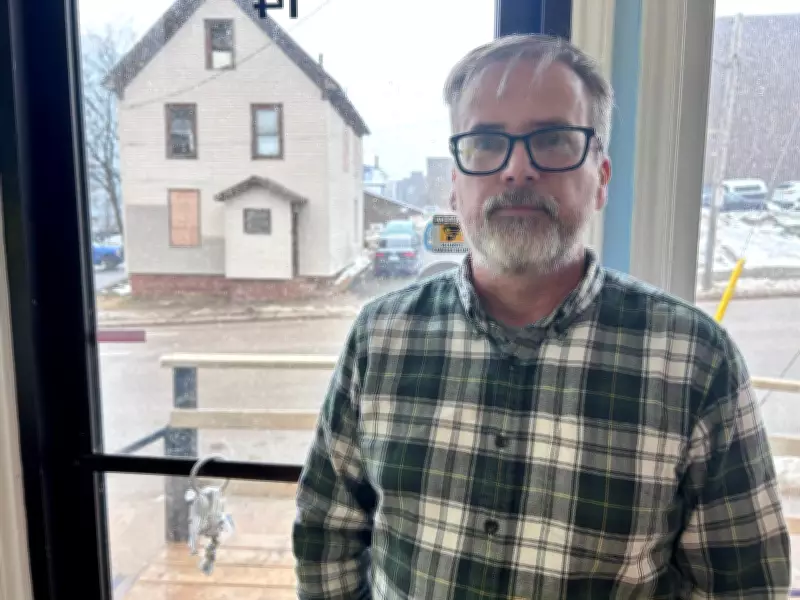
Steve Smith, owner of Bungalow Beans in downtown Sydney, emphasized the impact of such neglect on local commerce. "When sidewalks are in disrepair, it discourages foot traffic and affects small businesses like mine," he noted, underscoring how infrastructure issues can ripple through the local economy. His comments resonated with council members, who acknowledged that improving pedestrian infrastructure is not just a matter of safety but also of economic vitality.

Housing Shortages and Urban Decay
The budget discussions also delved into the acute housing shortage plaguing the region. With rising demand and limited affordable options, many residents are struggling to find suitable accommodations, exacerbating homelessness and overcrowding. Councilors debated potential investments in new housing developments and renovation programs aimed at revitalizing vacant or dilapidated properties.
Urban decay emerged as a closely related concern, with abandoned buildings and neglected public spaces contributing to neighborhood decline. Proposals included funding for demolition projects, beautification initiatives, and incentives for property owners to maintain their holdings. "We cannot ignore the visual and social impacts of urban decay," one councilor remarked, stressing that addressing this issue is crucial for community pride and attracting new residents.
Budget Priorities and Financial Constraints
As the talks progressed, it became clear that balancing these needs with financial constraints will be a formidable challenge. The CBRM faces competing demands from other sectors, such as public transit, waste management, and emergency services, all vying for a share of the municipal budget. Preliminary figures indicate that significant increases in spending may be necessary to tackle the highlighted problems, potentially leading to tough decisions on tax rates or service cuts.
Councilors emphasized the importance of public input in shaping the final budget, with plans for community consultations in the coming weeks. "This is just the beginning of a complex process," said a senior municipal official. "We need to prioritize effectively to ensure that our investments yield tangible benefits for all residents."
The first day of budget talks set the stage for a rigorous debate over the CBRM's future direction. With sidewalks, housing, and urban decay at the forefront, the municipality must navigate fiscal realities while striving to enhance quality of life and foster sustainable growth. Further sessions are scheduled to refine proposals and draft a budget that addresses these critical issues head-on.