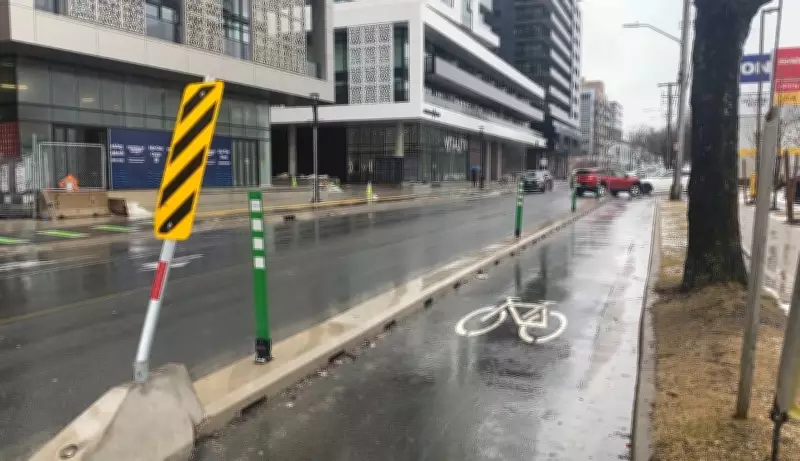
Halifax Mayor's Bike Lane Cost Remarks Ignite Public Debate on Urban Spending
In a recent development that has captured the attention of residents and policymakers alike, the Mayor of Halifax has made comments regarding the financial implications of bike lane projects, sparking a renewed and heated conversation about municipal spending and infrastructure priorities. This debate comes at a time when cities across Canada are grappling with budget constraints and the need for sustainable urban development.
Resumption of Ongoing Debate
The discussion over bike lanes in Halifax is not new, but the Mayor's latest remarks have brought it back to the forefront of public discourse. By highlighting the costs associated with these projects, the Mayor has prompted citizens to question how their tax dollars are being allocated and whether such investments align with community needs and environmental goals.
This resurgence of debate coincides with broader national news, including Ontario's 2026 budget release, which could impact personal finances, and various other regional stories from across Canada. However, the focus in Halifax remains sharply on local governance and urban planning decisions.

Implications for Municipal Budgeting
The Mayor's comments have raised important questions about the balance between funding for alternative transportation infrastructure, such as bike lanes, and other pressing municipal needs. Critics argue that while promoting cycling can reduce traffic congestion and lower carbon emissions, the upfront costs must be justified in the context of overall city budgets.
Supporters of bike lanes emphasize their long-term benefits, including improved public health, reduced reliance on cars, and enhanced quality of life. They contend that investing in such projects is crucial for building resilient and livable cities, even if it requires significant initial expenditure.
Public Reaction and Community Engagement
In response to the Mayor's statements, community groups and advocacy organizations have mobilized to voice their opinions. Public forums and social media platforms are abuzz with discussions, reflecting a diverse range of perspectives on the issue. Some residents express concern over potential tax increases, while others champion the environmental and social advantages of expanded bike infrastructure.
This engagement underscores the importance of transparent communication between city officials and the public when it comes to financial decisions. As Halifax continues to grow and evolve, finding consensus on how to best allocate resources will be key to fostering a sustainable and inclusive urban environment.
Looking Ahead
The debate over bike lane costs in Halifax is likely to persist as the city moves forward with its urban development plans. It serves as a microcosm of larger conversations happening nationwide about infrastructure investment, fiscal responsibility, and environmental stewardship.
Ultimately, the outcome of this discussion could set a precedent for how other municipalities approach similar projects, making it a critical issue not just for Halifax, but for urban centers across Canada striving to balance economic, social, and environmental priorities in their planning efforts.