

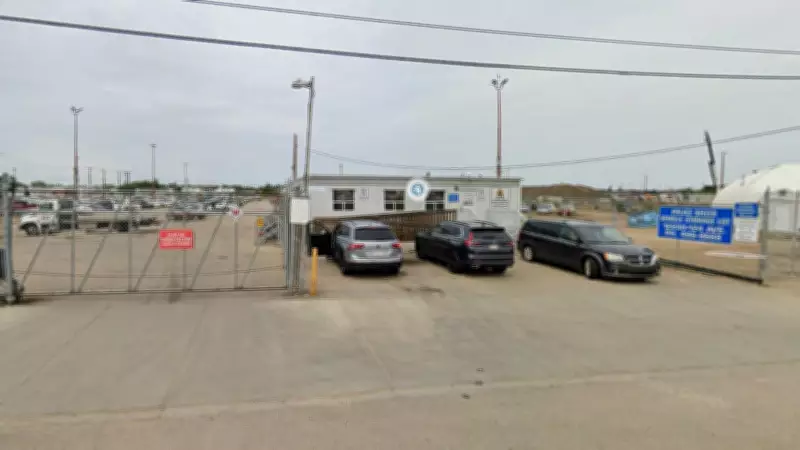
Edmonton Police Tow Lot Holds Over 560 Vehicles Awaiting Impoundment
A city councillor in Edmonton has disclosed that the Edmonton Police Service tow lot is currently holding more than 560 vehicles that are waiting to be officially impounded. This significant backlog raises questions about the efficiency and capacity of the city's traffic enforcement and vehicle management systems.
Backlog at the Tow Lot
The councillor's revelation points to a substantial accumulation of vehicles at the police-operated tow facility. These vehicles, which have been seized for various reasons such as traffic violations, abandonment, or involvement in crimes, are in a state of limbo as they await the formal impoundment process. The exact reasons for the delay have not been fully detailed, but it suggests potential challenges in administrative processing, storage space, or legal procedures.
Implications for the City
This backlog could have several implications for Edmonton. Firstly, it may indicate inefficiencies in the police department's handling of seized vehicles, which could lead to increased costs for storage and maintenance. Secondly, it might affect the timely resolution of cases involving these vehicles, such as returning them to owners or disposing of them through auctions. Thirdly, it raises concerns about public safety and order, as unprocessed vehicles could be tied to ongoing investigations or pose hazards if not properly managed.

Councillor's Concerns
The councillor who brought this issue to light is likely calling for greater transparency and action from the Edmonton Police Service and city administration. This situation underscores the need for a review of current practices and possibly an increase in resources to address the backlog. It also highlights the importance of effective communication between law enforcement and municipal government to ensure that such issues are promptly identified and resolved.
Looking Ahead
As Edmonton continues to grow, managing infrastructure like the police tow lot becomes increasingly critical. Addressing this backlog will require a coordinated effort to streamline processes, potentially invest in additional facilities or personnel, and implement better tracking systems for impounded vehicles. This case serves as a reminder of the ongoing challenges cities face in maintaining efficient public services and enforcing regulations effectively.






