In a significant move to amend Canada's hate speech legislation, a senior Liberal cabinet minister has firmly stated that religious belief cannot serve as a shield for promoting hatred. The comments come as the federal government and the Bloc Québécois join forces to alter a key piece of legislation.
Minister Rejects Religious Defence for Hate Crimes
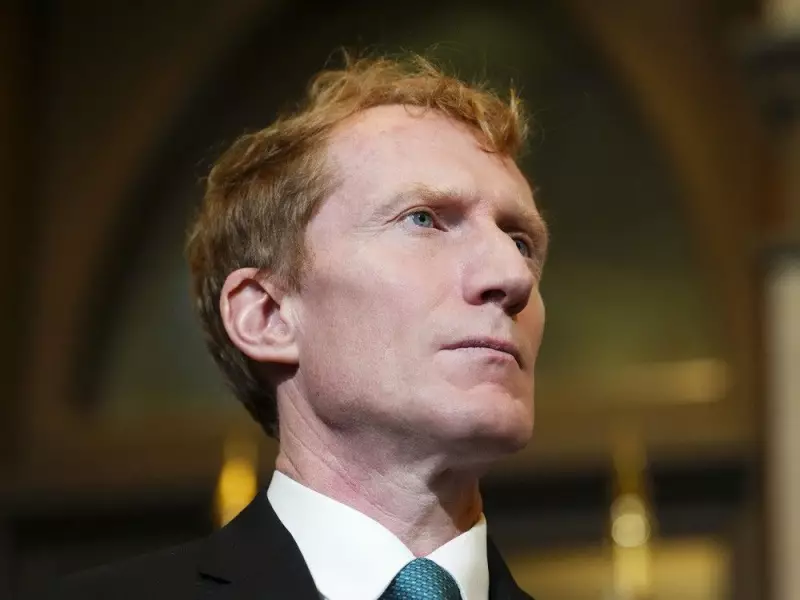
Heritage Minister Marc Miller, recently promoted to cabinet by Prime Minister Mark Carney, addressed the issue directly on Tuesday. Miller, a Montreal MP and former chair of the parliamentary justice committee, pushed back against claims that removing a specific legal provision constitutes an attack on religious freedom.
As a person of Christian faith with what he described as "very, very deep beliefs," Miller argued that religious texts should not be used as an escape hatch for committing a hate crime. "I think if you talk to people of faith and even religious leaders, they would see that this is really something that makes sense," Miller stated outside the weekly cabinet meeting. He emphasized a clear principle: "Nobody should be committing a hate crime in the name of religion."

Liberal-Bloc Deal Alters Combating Hate Act
The controversy centres on proposed amendments to Bill C-9, the Combating Hate Act. As first reported by the National Post, the Liberals have struck a deal with the Bloc Québécois to pass the bill with a critical change. The partnership aims to remove the religious defence exemption currently found in Canada's hate speech laws.
This exemption is contained within section 319 of the Criminal Code. It permits an individual to avoid conviction for the "wilful promotion of hatred" or the promotion of antisemitism if they expressed an opinion "in good faith" and "based on a belief in a religious text." Antisemitism in this context is legally defined as condoning, denying, or downplaying the Holocaust.
Bloc Québécois Leader Yves-François Blanchet confirmed the agreement on Monday. Blanchet argued that speech which incites hatred is criminal, regardless of whether it is delivered "under the guise of religion." His party has advocated for years to eliminate this specific defence.
Broader Concerns and Next Steps
The parliamentary justice committee is the expected venue where these amendments will be formally presented. Notably, the original version of Bill C-9 did not propose any changes to the religious defence clause. The new Liberal-Bloc agreement adds this significant revision.
However, the broader bill has faced scrutiny from civil liberties advocates and other groups. Critics have raised alarms about the legislation's proposals to create new intimidation and obstruction offences. They warn these could increase the risk of police action against lawful protests and demonstrations that some may find disruptive or offensive.
One element that will remain unchanged is the rule requiring consent from a provincial attorney general before a hate propaganda charge can be laid. This procedural safeguard was maintained in the amended version of the bill.
The development marks a pivotal moment in the ongoing Canadian debate over balancing fundamental freedoms. It sets the stage for a parliamentary examination of where the line should be drawn between protecting religious expression and preventing the propagation of hatred.