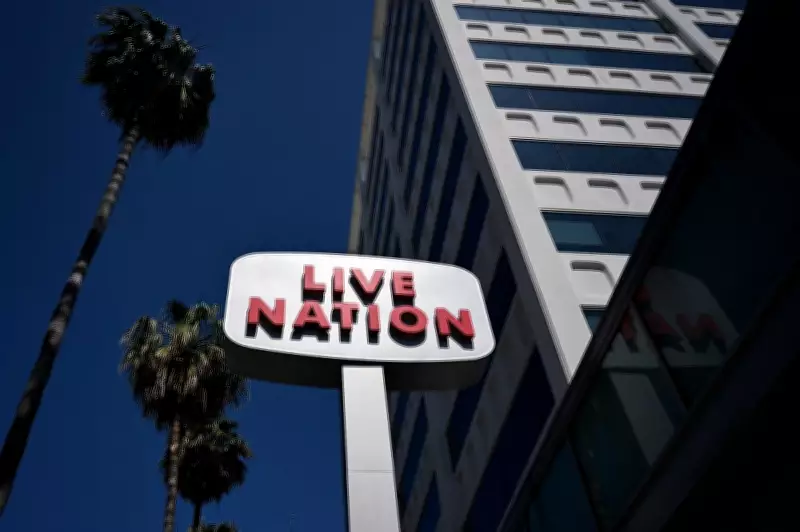
The United States Justice Department has launched a landmark civil antitrust trial against Ticketmaster and its parent company Live Nation Entertainment, accusing the entertainment giants of monopolizing the concert industry and artificially inflating prices for consumers across the nation. During opening statements in a Manhattan federal courtroom on Tuesday, government lawyers presented a stark case alleging that the companies' dominant market position has fundamentally broken the live music ecosystem.
Government Alleges Concert Industry Is 'Broken'
Justice Department antitrust lawyer David Dahlquist told jurors that Washington, D.C., along with thirty-nine states, is relying on the Manhattan federal jury to dismantle what they describe as a harmful monopoly. "This case is about power, the power of a monopolist to control competition," Dahlquist declared in his opening statement. "Today, the concert ticket industry is broken." The government's position is that Live Nation and Ticketmaster have systematically eliminated competition, leaving artists and fans with fewer choices and higher costs.
Companies Vigorously Deny Monopoly Allegations
Representing the companies, attorney David Marriott forcefully disputed the government's characterization of their market dominance. "We'll let the numbers do the talking," Marriott stated. "We do not have monopoly power." The defense argues that the concert and ticketing landscape remains competitive and that Live Nation and Ticketmaster operate within legal boundaries. The Associated Press reported that the companies maintain the government's case is fundamentally flawed and misrepresents the dynamics of the entertainment industry.

Bipartisan Push for Antitrust Enforcement
This high-profile trial represents a significant component of a broader bipartisan effort to address affordability concerns through aggressive antitrust enforcement. According to Reuters, the case against Ticketmaster and Live Nation is being pursued by the Department of Justice alongside a coalition of U.S. states, led by New York. These states are seeking financial compensation for fans who they allege have been overcharged due to anti-competitive practices. The trial is unfolding as public scrutiny over corporate consolidation and consumer pricing intensifies nationwide.
Key Allegations and Expected Testimony
The Justice Department's complaint outlines specific allegations against Live Nation, accusing the company of coercing artists into using its concert promotion services to secure performances at outdoor amphitheaters it owns. Simultaneously, Ticketmaster is accused of dominating ticketing services through aggressive tactics, including threats and long-term exclusive contracts with major concert venues. While a U.S. district judge dismissed several claims from the case, the court denied Live Nation's request to pause the trial for an appeal, allowing proceedings to move forward.
Testimony is expected from prominent figures in the music industry, including singer Kid Rock and Mumford and Sons member Ben Lovett. Executives from competing companies and venues, such as Madison Square Garden, are also scheduled to take the stand. Their insights will likely provide crucial perspectives on how Live Nation and Ticketmaster's business practices have impacted artists, venues, and the overall concert marketplace.
Broader Implications for the Entertainment Sector
The outcome of this trial could have far-reaching consequences for the entire live entertainment industry. If the government prevails, it may lead to structural changes designed to foster greater competition, potentially lowering ticket prices and increasing options for consumers. Conversely, a victory for Live Nation and Ticketmaster would reinforce their current business model and market position. As the trial progresses, industry observers are closely monitoring developments that could reshape how concerts are promoted, ticketed, and experienced by millions of music fans across the United States.