Shipping Leaders Advocate for Secure and Sustainable Maritime Passages
Senior executives from the global shipping industry are issuing a strong call for the establishment of "safe and sustainable" strait crossings, as escalating geopolitical tensions threaten vital trade corridors. This appeal comes against a backdrop of recent military actions that have disrupted maritime operations, underscoring the fragility of key waterways essential to international commerce.
Heightened Risks in Critical Waterways
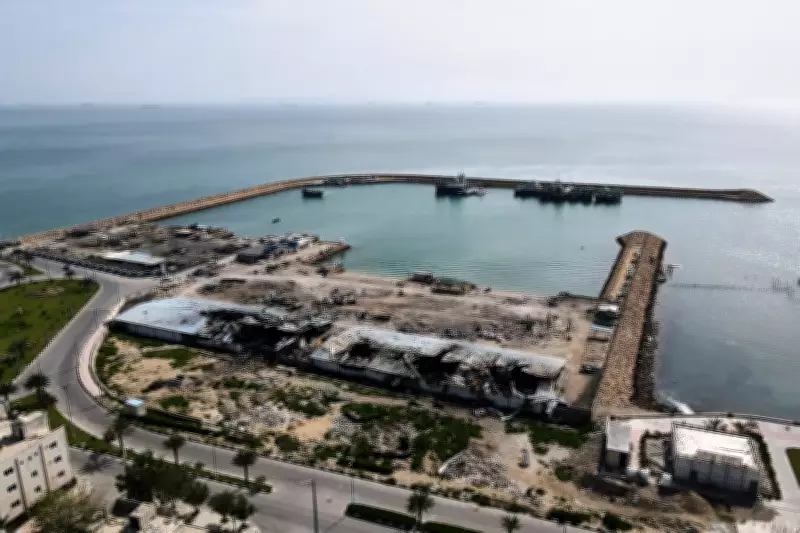
The urgency of this demand is highlighted by incidents in the Strait of Hormuz, a crucial chokepoint for oil and gas shipments. In April 2026, airstrikes during a U.S.-Israel military campaign caused visible damage to infrastructure, including a fishing pier on Iran's Qeshm island, according to local witnesses. Such events not only pose immediate safety hazards but also raise long-term concerns about the stability of shipping lanes that handle a significant portion of the world's energy supplies.
Industry experts warn that these disruptions can lead to increased costs, delays, and environmental risks, as vessels may be forced to take longer, less efficient routes. The reliance on narrow straits like Hormuz, which sees about one-fifth of global oil consumption pass through it, makes the shipping sector particularly vulnerable to conflicts and accidents.

Emphasis on Sustainability and Security
Shipping executives are not only focused on safety but also on integrating sustainable practices into maritime operations. They argue that secure crossings must go hand-in-hand with efforts to reduce emissions, prevent pollution, and protect marine ecosystems. This dual approach aims to future-proof the industry against both geopolitical shocks and environmental regulations.
Key priorities include:
- Enhancing navigation technologies to improve safety in congested straits.
- Implementing stricter environmental standards for vessels traversing sensitive areas.
- Fostering international cooperation to de-escalate conflicts that impact shipping routes.
- Investing in alternative fuels and green technologies to minimize the carbon footprint of maritime transport.
The push for sustainability is driven by growing regulatory pressures and consumer demand for greener supply chains. As climate change intensifies, the shipping industry faces increasing scrutiny over its role in global emissions, making sustainable strait management a critical component of corporate strategies.
Broader Implications for Global Trade
The call from shipping leaders reflects broader anxieties within the business community about the resilience of global trade networks. Disruptions in straits like Hormuz can ripple through economies, affecting everything from energy prices to manufacturing timelines. In recent years, similar concerns have emerged around other strategic passages, such as the Suez Canal and the Strait of Malacca.
Executives stress that without coordinated action, the risks could escalate, leading to more frequent incidents that jeopardize both human safety and economic stability. They advocate for dialogues between governments, industry stakeholders, and environmental groups to develop comprehensive frameworks that balance security needs with ecological stewardship.
As the world becomes more interconnected, the importance of maintaining open and responsible maritime routes cannot be overstated. The shipping industry's plea for safe and sustainable strait crossings is a reminder that global commerce depends on the peaceful and prudent management of these vital waterways.