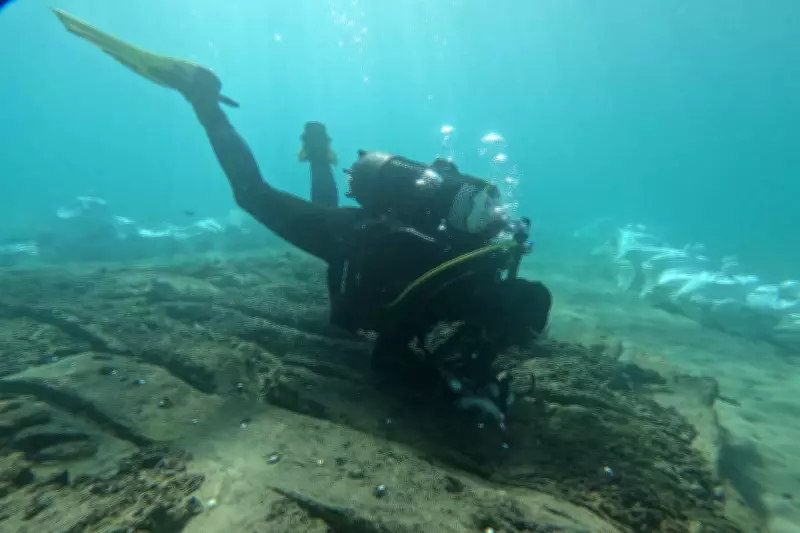
Archaeologists have made a remarkable discovery in a small sea area situated between Europe and Africa, unearthing a total of 124 shipwrecks that shed light on centuries of maritime activity. This significant find highlights the region's historical importance as a hub for trade, travel, and naval encounters.
Uncovering a Hidden Maritime Graveyard
The archaeological sites explored so far were found at depths of up to about 10 metres, or 33 feet, making them accessible for detailed study. Researchers utilized advanced underwater surveying techniques to map and document the wrecks, which range from ancient vessels to more modern ships. The concentration of shipwrecks in this relatively confined area suggests it was a challenging navigational zone, possibly due to weather patterns, shallow waters, or strategic conflicts.
Implications for Historical Understanding
This discovery provides invaluable insights into the maritime history of the Mediterranean region, connecting Europe and Africa. Each shipwreck serves as a time capsule, offering clues about trade routes, shipbuilding technologies, and cultural exchanges across different eras. Archaeologists are now analyzing artifacts and structural remains to piece together the stories behind these sunken vessels.

The findings underscore the importance of preserving underwater cultural heritage, as many of these sites are vulnerable to looting, environmental degradation, and commercial activities. Efforts are underway to protect the wrecks and conduct further research, potentially leading to more discoveries in deeper waters.
Future Research and Exploration
With only initial surveys completed, archaeologists plan to expand their exploration to greater depths and broader areas within this sea zone. The use of remotely operated vehicles and sonar technology is expected to reveal additional wrecks, possibly dating back to antiquity. This project not only enriches our understanding of past civilizations but also informs modern maritime archaeology practices.
As research continues, the 124 shipwrecks stand as a testament to the dynamic and often perilous nature of sea travel in this historically significant corridor between continents.