

Judges Speak Out Against Two-Tier Sentencing in Canadian Courts
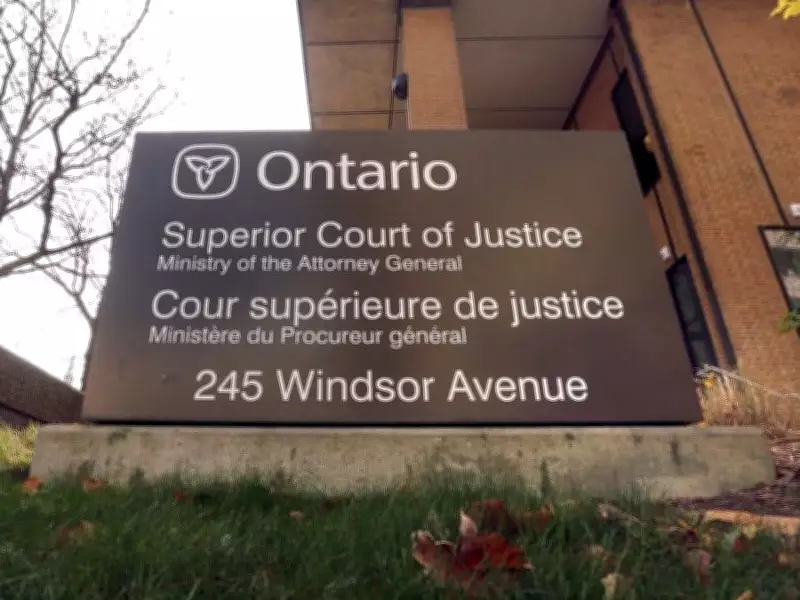
Ontario Superior Court Judge Antonio Skarica has emerged as a vocal critic of what he perceives as a troubling trend in Canada's justice system. In a recent sentencing decision, Judge Skarica lambasted members of the judiciary for prioritizing foreign-born lawbreakers over the needs of vulnerable Canadian citizens.
A Judge of Unwavering Integrity
Judge Skarica is no stranger to principled stands. A former Ontario MPP and Crown attorney, he served as a thoughtful critic within his own government during the Mike Harris era. His commitment to his convictions was demonstrated in 2000 when he resigned from the legislature rather than support municipal amalgamation in Hamilton—a promise he had made to voters during his re-election campaign.
"He left the legislature with his head high," observers noted of his principled departure from politics.

The Case That Sparked Judicial Criticism
Judge Skarica's comments came during the sentencing of Boss Omeire, a Nigerian student who extorted a young woman and shared explicit images of her without consent. The judge described how the victim was left in "constant fear" and noted that Omeire had largely succeeded in ruining her life as he had threatened.
In his written decision, Judge Skarica posed a fundamental question: "Who should get priority? Should it be a foreign-born individual with no current immigration status, who was granted the privilege of attending one of our educational institutions, and used that opportunity to abuse a law-abiding, honest, hard-working but vulnerable Canadian citizen?"
He answered his own question decisively: "Asking that question provides the obvious answer." Judge Skarica sentenced Omeire to 28 months in prison, exceeding the Crown's request for one year less a day.
Broader Concerns About Judicial Leniency
Judge Skarica's criticism echoes concerns raised this month by Court of Quebec Judge Antoine Piche, who warned that prosecutors were creating a two-tier system by requesting more lenient sentences or absolute discharges for individuals facing deportation risks.
These judicial warnings stand in stark contrast to another recent case involving Samir Abdelgadir from Sudan. Abdelgadir was found guilty of kidnapping a 14-year-old child but received a reduced sentence—two years knocked off an 11.5-year term—due to experiences with anti-black racism, some of which occurred outside Canada.
Restoring Common Sense to Canadian Courts
Both judges have highlighted what they see as a dangerous departure from fundamental justice principles. Their concerns center on what Judge Skarica described as "the kind of nonsensical two-tier sentencing Canada doesn't need."
As Canada's justice system faces what Judge Skarica calls "an inflection point," these judicial voices are calling for a restoration of common sense—one that prioritizes the protection of vulnerable citizens over considerations that might create unequal treatment under the law.
The debate raises critical questions about how Canada balances compassion with accountability, and whether current sentencing practices truly serve justice for all citizens equally.






