B.C. Hells Angels Deny Criminal Ties in Court Battle Over Clubhouse Forfeiture
In a significant legal confrontation, the owners of two Hells Angels clubhouses in British Columbia are vigorously contesting government efforts to seize the properties through civil forfeiture proceedings. The corporate entities that hold title to the buildings have filed formal statements of defence, categorically denying that the notorious motorcycle club is a criminal organization as alleged by provincial authorities.
Legal Challenge Against Government Allegations
Both Haney Farms Ltd. and 0593308 B.C. Ltd., the companies that own the Haney and Mission City chapter clubhouses respectively, have submitted nearly identical legal documents challenging the lawsuit initiated by the B.C. director of civil forfeiture in December. The government's case asserts that these properties have been financed and maintained using proceeds from criminal activities.
The defence filings argue that the government is improperly relying on what they describe as "global allegations" against the Hells Angels organization. According to the court documents, the defendants "deny that the Hells Angels is a criminal organization or affiliated with other criminal organizations and individuals engaged in criminal activities."

Specific Property Details and Ownership
The Haney clubhouse, located at 13733 McKechnie Road in Pitt Meadows, sits on approximately 1.9 hectares of farmland with an assessed value of $893,624. Haney Farms Ltd., which owns this property, lists two full-patch Hells Angels members as directors of the corporation.
The Mission City clubhouse at 7071 Mershon Road is owned by 0593308 B.C. Ltd., a company with three Hells Angels members serving as directors. This property carries an assessed value of $1,086,000 according to official records.
Both corporate entities explicitly deny that they are holding these properties for the benefit of the Hells Angels organization, contradicting the government's central claim in the forfeiture lawsuit.
Contradictory Evidence and Charter Rights Claims
The defence documents also challenge government assertions that current and former members of each chapter have convictions for various criminal offences, including:
- Drug trafficking and smuggling
- Criminal conspiracy
- Firearms possession
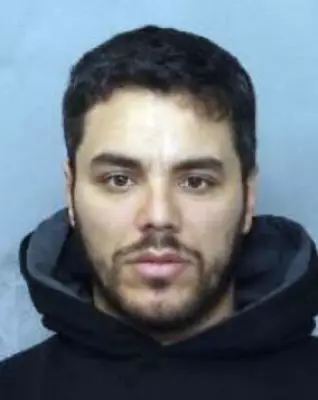
This denial comes despite recent parole board documentation regarding Mission Hells Angel Jason Arkinstall, who was granted day parole in February following convictions for smuggling substantial quantities of cocaine and methamphetamine into Canada in 2020. The Parole Board of Canada specifically noted Arkinstall's continued Hells Angels membership in its ruling.
The defence further claims that the director of civil forfeiture and law enforcement agencies have violated the Charter rights of the property owners through their actions in this case. This represents a significant constitutional dimension to the legal battle that could have implications for future civil forfeiture proceedings in the province.
Broader Context and Government Position
The B.C. government's lawsuit, filed in December, alleges that the Hells Angels qualifies as a criminal organization under Canada's Criminal Code and maintains affiliations with other criminal entities. The government claims that "some of these criminal organizations or individuals contribute to, or participate in, the commission of serious offences for the benefit of and/or at the direction of members of the Hells Angels."
This legal action represents part of a broader pattern of government efforts to target properties associated with the motorcycle club through civil forfeiture mechanisms. The case joins previous attempts to seize additional Hells Angels clubhouses in the province, including one in Surrey that had been rented by the Hardside chapter.
The outcome of this legal battle could establish important precedents regarding the use of civil forfeiture laws against properties allegedly connected to organized crime groups in British Columbia. Both sides appear prepared for a protracted court fight over the fundamental question of whether the Hells Angels organization qualifies as criminal under Canadian law.