Unpacking the Epstein Files: Key Names, Redactions, and Document Access
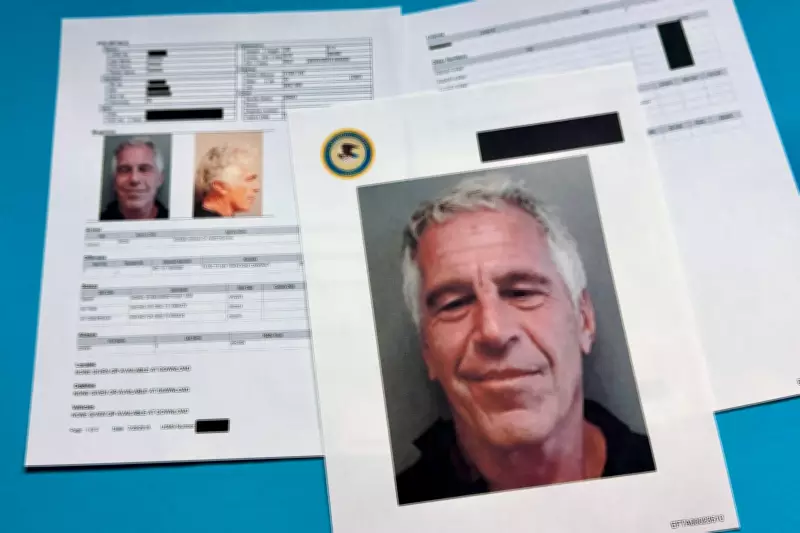
Documents included in the U.S. Department of Justice's release of the Jeffrey Epstein files were photographed on Friday, January 2, 2026, as reported by the Associated Press. This significant disclosure has sparked widespread interest and scrutiny, prompting questions about the contents, the individuals involved, and the accessibility of these records.
Who Is Named in the Epstein Files?
The released documents name numerous individuals connected to the late financier Jeffrey Epstein, who faced charges related to sex trafficking before his death in 2019. While specific names are detailed in the files, many entries include redactions to protect privacy or ongoing legal proceedings. The list encompasses associates, alleged victims, and other figures linked to Epstein's network, though not all are implicated in criminal activity.
What Information Is Redacted?
Redactions in the Epstein files are applied to sensitive details, such as personal identifiers, confidential testimonies, and information that could compromise investigations or individual safety. These omissions are standard in legal document releases to balance transparency with privacy concerns. Critics argue that excessive redactions may obscure full accountability, while supporters emphasize the need to safeguard vulnerable parties and maintain judicial integrity.

Where to Find the Epstein Files
The documents are available through official channels, including the U.S. Department of Justice website and public court records. Researchers and the public can access them online, though some may require registration or formal requests due to their volume and complexity. It is advisable to consult legal databases or news outlets for summaries and analysis, as the raw files can be extensive and technical.
This release follows years of legal battles and public pressure for transparency in the Epstein case. As the files circulate, they are likely to fuel further discussions on justice, accountability, and the handling of high-profile investigations. Observers note that while the documents shed light on past events, they also highlight challenges in balancing disclosure with ethical and legal standards.