Nine Lessons Edmonton Oilers Can Learn from Connor McDavid's Olympic Brilliance
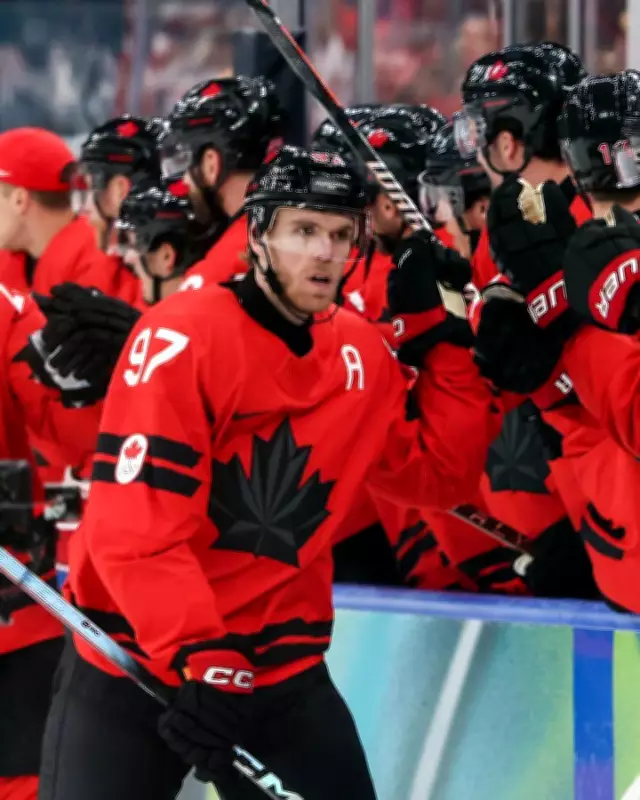
Witnessing the absolute pinnacle of athletic performance on the world's grandest stage is a privilege reserved for the most dedicated sports fans. The 2026 Olympic Men's Hockey tournament has delivered precisely that spectacle, with Connor McDavid showcasing his extraordinary talents for Team Canada. His shimmering displays of skill, speed, and leadership prompt a crucial question for his home club: what strategic insights can the Edmonton Oilers glean from his international success to bolster their own campaign?
Strategic Rest for Veteran Players
9. The Benefit of Olympic Rest Periods
While every athlete dreams of Olympic glory, the Edmonton Oilers, a squad rich in veteran experience, might discover an unexpected advantage in the extended rest afforded to some key players. Consider the case of defenseman Mattias Ekholm, who has returned to his characteristic form this season. The additional recovery time away from the grueling NHL schedule could prove invaluable for Ekholm and other seasoned Oilers as they prepare for the critical final stretch of the season, where his contributions will be absolutely essential.

Defensive Coaching and Performance
8. Surprising Defensive Excellence Under Pete DeBoer
Team Canada's defensive unit has surpassed all pre-tournament expectations, transforming a perceived relative weakness into a notable strength. This remarkable turnaround is being orchestrated by coach Pete DeBoer, currently without an NHL team. Given the Edmonton Oilers' well-documented defensive struggles throughout this season, DeBoer's successful strategies with Team Canada present a fascinating case study. The Oilers' management would be wise to examine these coaching methods closely for potential application.
Geopolitical Realities in Sports
7. The Absence of Russian Teams
Some murmurs within hockey circles suggest the tournament lacks true "best-on-best" competition without Russian participation. It is vital to remember the ongoing context: Russia remains engaged in military conflict in Ukraine. While individual Russian athletes may be unfairly impacted by their nation's policies, the international sporting community's stance reflects broader geopolitical realities. The focus should remain on the exceptional hockey being played by the nations present.
Goaltending Dynamics and Agent Commentary
6. Calvin Pickard's Situation and Agent Advocacy
Recent comments from player agent Ritch Winter regarding goaltender Calvin Pickard's role with Edmonton raised eyebrows. Winter's assertion that "there's not enough evidence that the other guys are better" is a predictable defense of his client. While many analysts, including this writer, support Pickard's capabilities, agent statements must be viewed through the lens of professional advocacy. Pickard's potential impact on the Oilers' season remains an open question to be answered on the ice.
Trade Deadline Priorities
5. Addressing Defensive Needs Over Offensive Additions
The prevailing conversation around the NHL trade deadline has centered on Edmonton's need for a top-nine forward. However, a compelling argument exists for prioritizing another veteran defenseman. Oilers broadcaster Bob Stauffer recently shifted his position, stating, "I now believe the target is another defenceman as well." This aligns with the logical assessment that while Edmonton's forward group is potent enough to score, their fundamental requirement is improved defensive stability and structure.
Olympic Standings and Competitive Mindset
4. The Importance of Goal Differential
Entering Sunday's matches, Team Canada held a slender lead atop the Olympic standings. Canadian hockey culture traditionally discourages running up scores, adhering to an unwritten sportsmanship rule. However, the tournament's format necessitates a pragmatic adjustment. To secure the top seed and a theoretically easier quarterfinal opponent, Canada cannot merely defeat France; they must outperform the United States' likely margin of victory over Germany. This scenario demands a temporary suspension of customary restraint in pursuit of strategic advantage.

Broader Implications for Team Strategy
The Olympic tournament serves as a high-pressure laboratory for hockey strategies and player development. McDavid's elevated performance under the brightest lights demonstrates the level of excellence the Oilers must aspire to replicate. Edmonton's coaching staff and management have a unique opportunity to analyze these international games, extracting lessons about pace, special teams execution, and roster utilization that could directly translate to NHL success.
Integrating International Insights
As the Olympic competition progresses, additional insights will emerge regarding line combinations, defensive pairings, and in-game adjustments. The Edmonton Oilers, with several players participating in the Games, must actively synthesize these observations. The goal is not to copy Team Canada's blueprint directly, but to adapt its most effective elements to address the Oilers' specific needs, particularly their inconsistent defensive play and late-season stamina challenges.
Connor McDavid's Olympic brilliance is more than a spectacle; it is a masterclass in high-stakes hockey. For the Edmonton Oilers, the challenge is to translate those lessons into tangible improvements, fostering a culture of excellence that mirrors their captain's performance on the world stage.