

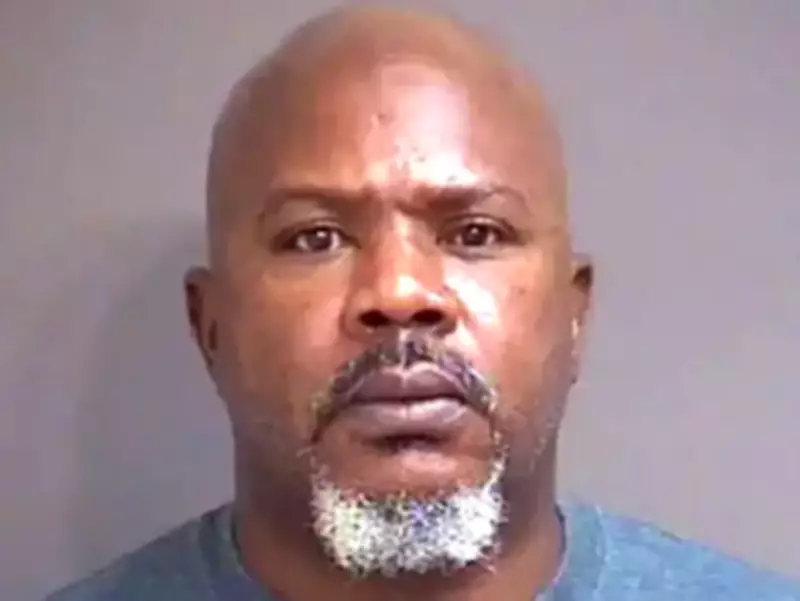
DNA Breakthrough Solves 30-Year-Old Rape and Murder Case in Indianapolis
A man who raped and stabbed a 19-year-old Indianapolis woman to death more than three decades ago has been sentenced to 45 years in prison, closing a long-standing cold case that haunted investigators and the victim's family for years.
Decades-Old Crime Finally Resolved
Dana Shepherd, 53, signed a plea deal last month admitting to the killing of Carmen Van Huss, according to local news reports. The sentencing occurred on Friday, bringing a measure of closure to a case that had remained unsolved since 1993.
"While no passage of time can ever heal the unimaginable loss Carmen's family has endured, we are grateful to secure a murder conviction more than 30 years after this heinous crime," said Marion County prosecutor Ryan Mears. "Our hope is that this resolution brings a measure of justice and peace to her loved ones, after three decades of waiting for answers."

Brutal Murder Scene Discovered by Father
Carmen Van Huss was found murdered in March 1993 on the floor next to her bed. The 19-year-old victim had been raped and stabbed 61 times by an intruder who broke into her apartment. Her body was discovered in a large pool of blood by her father, who encountered a scene of horrific violence that would change him forever.
Evidence at the scene indicated a violent struggle, with a knocked-over table and scattered objects throughout the apartment. The brutality of the crime left lasting trauma for the Van Huss family.
"We hope after all this time people understand how violent my sister's murder was," Jimmy Van Huss said in 2024. "She was raped and stabbed over 60 times. My dad had to see that, blood everywhere, his daughter naked, lying there. He had to see that. That changed him forever."
Family members described Carmen as an art lover and animal enthusiast who frequently rescued stray cats. "She was always happy and everyone loved her," Jimmy added, painting a picture of a vibrant young woman whose life was tragically cut short.
DNA Evidence Key to Solving Cold Case
Despite DNA and other evidence being collected from the crime scene in 1993, it took more than 30 years for investigators to achieve a major breakthrough in the case. Officials revealed that DNA evidence helped eliminate 40 possible suspects over the last three decades before finally connecting Shepherd to the murder.
After the initial investigation went cold in 1993, court records show the Van Huss case was reopened in 2000. Police obtained a DNA sample from a witness in 2000, but that individual was ruled out as a suspect in 2009.
Four years later, in 2013, additional DNA evidence was analyzed that connected both Carmen Van Huss and an unknown male. This crucial development set the stage for the eventual identification of the perpetrator.
Genetic Testing Provides Critical Lead
In 2018, Indianapolis police officials shipped the DNA sample to a technology company called Parabon, which used advanced genetic testing to study the evidence. This decision would prove instrumental in cracking the case.
Police received their major lead in 2023 when Parabon's analysis directed officers to a possible person-of-interest who had been living in Carmen's apartment complex at the time of the murder. That individual was Dana Shepherd, who was subsequently found working at the University of Missouri before his arrest.
In August 2024, police in Missouri arrested Shepherd and extradited him to Indianapolis to face charges of murder and rape with deadly force. The arrest marked the culmination of a painstaking investigative process that spanned multiple states and decades.
Shepherd's Criminal History and Plea Deal
Shepherd had a criminal history in Indiana before he murdered Carmen, including charges for battery and public intoxication. Since the 1993 murder, he had been charged in Missouri with stealing, disturbing the peace, and driving without a license.
The defendant admitted to the murder charge in a plea deal last week, with other charges being dismissed by prosecutors. The agreement calls for a 45-year sentence, with Shepherd likely spending over 20 years in prison given time already served and potential parole considerations.

The resolution of this case demonstrates how persistent investigative work combined with advancing forensic technology can bring justice even for crimes committed decades earlier. For the Van Huss family, the sentencing represents a long-awaited moment of accountability for the brutal crime that took their loved one's life.





