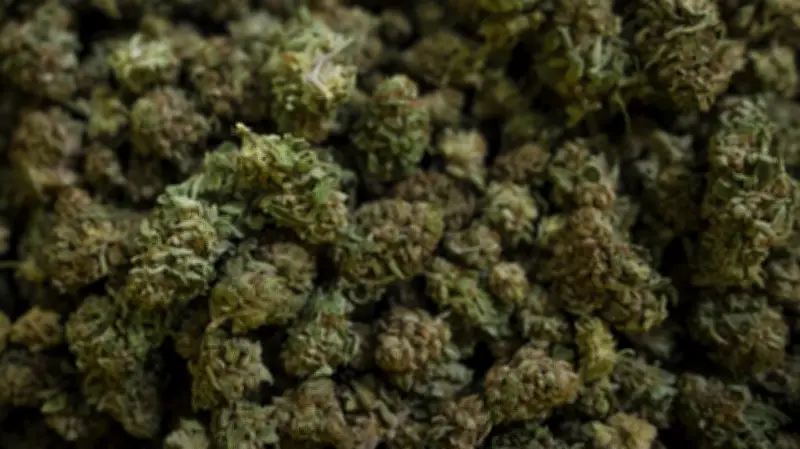
The Six Nations of the Grand River has repealed its law governing cannabis cultivation and sales, effectively ending a local regulatory framework that had been in place for several years. The decision, announced on July 10, 2026, returns the community to federal cannabis regulations.
Background of the Repealed Law
The original cannabis law was enacted by Six Nations in 2018 to establish a local licensing system for cultivation and retail, aiming to generate revenue and assert indigenous sovereignty over cannabis operations within the territory. The law allowed community members to apply for permits to grow and sell cannabis, with oversight from a local cannabis commission.
Reasons for Repeal
According to a statement from the Six Nations Elected Council, the repeal was driven by a need to align with federal laws and address operational challenges. The council cited difficulties in enforcement and compliance with federal regulations, as well as a desire to avoid legal conflicts with provincial authorities. “After careful review, we determined that the current system was no longer serving the best interests of our community,” said a council spokesperson.

Impact on Local Businesses
Licensed cannabis producers and retailers on Six Nations territory will need to transition to federal licenses or cease operations. The repeal affects an estimated 15 licensed businesses, which must now apply through Health Canada to continue legally. Some community members expressed concern about economic impacts, as cannabis had become a significant source of local employment and revenue.
Community Reaction
Reactions among Six Nations members have been mixed. Some support the repeal, citing concerns about public safety and the lack of adequate resources to manage the local program. Others argue that the repeal undermines indigenous self-governance. “This is a step backward for our sovereignty,” said a local cannabis advocate. “We had a system that worked for us, and now we’re giving up control.”
Next Steps
The Six Nations Elected Council will work with Health Canada to assist businesses in transitioning to federal regulations. The council also plans to explore other economic development opportunities to replace lost revenue from cannabis licensing fees.