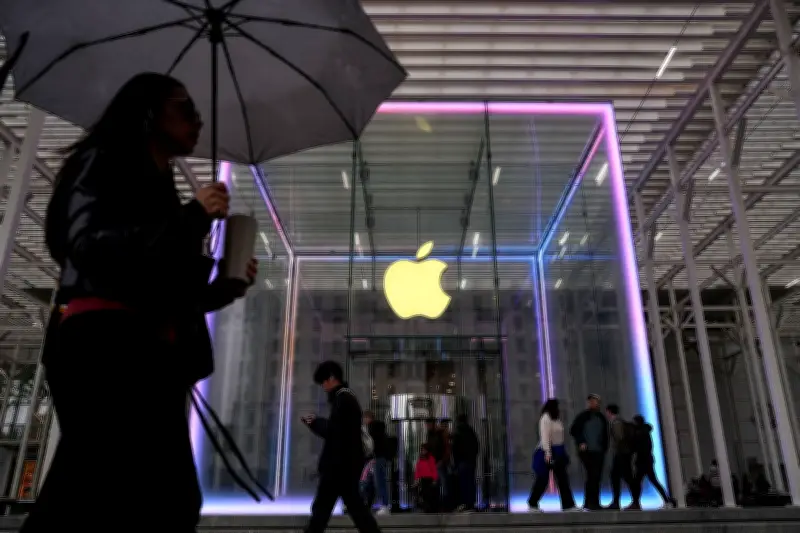
Apple has filed a lawsuit against OpenAI, alleging that the artificial intelligence company used stolen trade secrets to create its upcoming AI gadgets. The lawsuit, filed in a U.S. federal court, claims that OpenAI misappropriated confidential information from Apple's research and development division to accelerate the development of its own AI-powered devices.
Details of the Allegations
According to the complaint, Apple discovered that OpenAI had obtained proprietary blueprints and algorithms related to Apple's next-generation AI hardware. The stolen data reportedly includes designs for neural processing units and software integration techniques that Apple had been developing for years. Apple alleges that OpenAI used this information to fast-track the launch of its own AI gadgets, which are expected to compete directly with Apple's products.
“OpenAI has built its upcoming AI gadgets on a foundation of stolen intellectual property,” said an Apple spokesperson in a statement. “This lawsuit seeks to protect our innovations and hold OpenAI accountable for its unlawful actions.”

Impact on the AI Industry
The lawsuit has sent shockwaves through the tech industry, raising concerns about intellectual property theft in the rapidly advancing field of artificial intelligence. Legal experts say the case could set a precedent for how trade secrets are protected in AI development. “If Apple’s claims are proven, it could lead to significant penalties and injunctions against OpenAI’s product launches,” said Dr. Sarah Jenkins, a professor of intellectual property law at Stanford University.
The case also highlights the intense competition between major tech companies in the AI gadget market. Apple has been working on AI-powered devices for years, while OpenAI has recently announced plans to release its own hardware, including a voice-activated assistant device. The lawsuit could delay or derail OpenAI’s product roadmap.
OpenAI’s Response
OpenAI has denied the allegations, calling the lawsuit “baseless and an attempt to stifle competition.” In a statement, the company said, “OpenAI has always operated with integrity and respect for intellectual property. We will vigorously defend against these claims and continue our mission to develop safe and beneficial AI.”
The case is expected to go to trial next year, with both sides preparing for a lengthy legal battle. Meanwhile, industry observers are watching closely to see how the dispute affects the broader AI landscape.