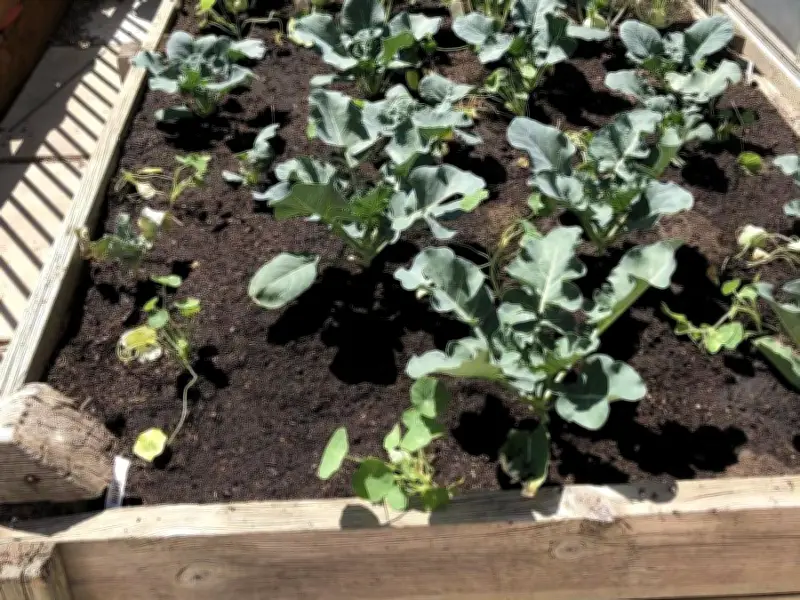
Mid-summer marks the beginning of bounty from vegetable gardens, but gardeners can increase yields and extend the harvest season with strategic techniques. Kath Smyth, a horticulturist with the Calgary Horticultural Society, offers practical advice for common vegetables.
Rhubarb and Radishes
For rhubarb, remove flower stalks as they appear. Harvest outer leaf stalks by pulling from the base, which encourages inner stalks to turn pink and grow larger, extending the harvest. Radishes are fully edible—roots, leaves, flowers, and seed pods. Succession seed every week or two for a continuous tender crop. If roots become woody, let the plant go to seed and use the flowers and pods in sandwiches and salads.
Spinach and Lettuce
If temperatures rise, wait and reseed spinach in August when it cools. Spinach is frost-tolerant and can be harvested into fall. For lettuce, harvest outer leaves instead of pulling the whole plant, allowing continued production. Lettuce tolerates shade; when reseeding, plant in a spot shaded from mid-afternoon sun to prevent bolting and bitterness. Harvest lettuce in the morning for crisp, flavorful leaves and longer shelf life.

Beets and Carrots
Beets offer a double harvest of roots and greens. Pull roots when they reach golf-ball size to thin the crop, leaving others to grow larger. Use the greens in salads or cook like spinach. Carrots benefit from thinning; toss the tiny pulled carrots into salads after washing. Both greens are edible.
Snap Peas and Beans
“There is nothing quite like eating snap peas straight off the vine. They are sweet and crunchy and are so refreshing,” says Smyth. Regular picking encourages more pods. Keep plants supported and well-watered for weeks of tender pods. Beans produce more if picked; bush beans are ready when the pod snaps when bent. Use garden snips to clip the stem rather than pulling, which may uproot the plant.
Broccoli
Broccoli is ready when the central head is 10 to 20 centimeters across, depending on variety. Flower buds should be plump, with edge buds the size of a match head. If yellow appears, harvest immediately as flowers are opening. Cut the stalk about 25 cm below the head with a sharp knife, then make a shallow X on the remaining stem to encourage more heads. Broccoli is frost-tolerant and will grow into fall.
Frost Protection
Even in summer, August frost is possible in some regions. Keep a light row cover on hand to throw over warm-season crops, trapping warmth and protecting from frost to extend the growing season.
For more tips, visit the Calgary Horticultural Society’s website at calhort.org for programs, including monthly Garden Coaching sessions with Kath Smyth.