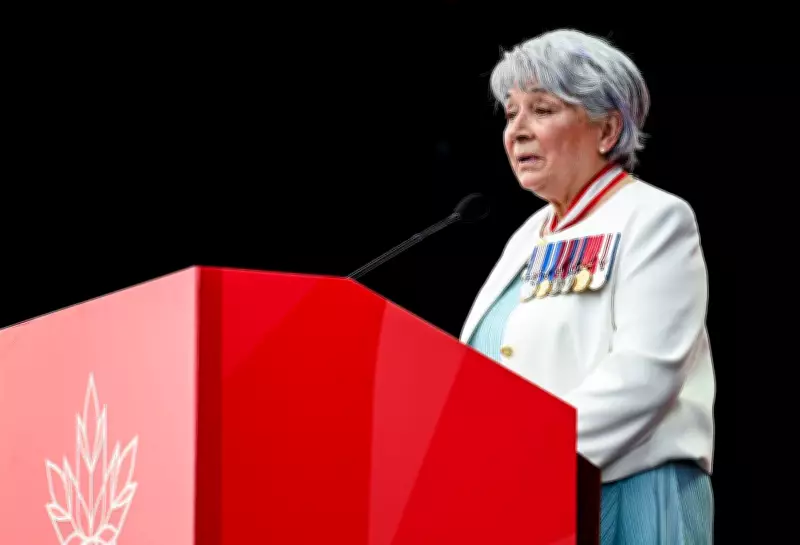
Governor General Mary Simon has arrived at the United Nations headquarters in New York to deliver a pivotal address on Indigenous rights, reinforcing Canada's dedication to advancing reconciliation on a global stage. This high-profile engagement underscores her role as the first Indigenous person to serve as Canada's viceregal representative, bringing a unique perspective to international diplomacy.
A Historic Voice for Indigenous Advocacy
Mary Simon, an Inuk leader from Nunavik, Quebec, is leveraging her position to champion the rights of First Nations, Inuit, and Métis communities worldwide. Her speech at the UN is expected to focus on critical issues such as self-determination, cultural preservation, and economic empowerment for Indigenous peoples. This appearance follows her active involvement in domestic events, including Canada Day celebrations in Ottawa, where she has consistently emphasized inclusivity and respect for Indigenous heritage.
Context of Canada's Reconciliation Efforts
Simon's address comes amid ongoing national discussions about Indigenous law and policy. For instance, in British Columbia, Premier David Eby has recently shifted toward a collaborative approach with First Nations on legislative matters, reflecting a broader trend of seeking joint paths forward. These domestic developments align with Simon's international advocacy, highlighting a multifaceted effort to address historical injustices and promote Indigenous sovereignty.

The Governor General's trip to the UN is part of a series of diplomatic initiatives aimed at positioning Canada as a leader in Indigenous rights. Her background as a former ambassador for circumpolar affairs and her deep roots in Indigenous communities lend credibility to her message, potentially influencing global policies and fostering cross-border cooperation on Indigenous issues.
Implications for Global Indigenous Movements
By speaking at the United Nations, Simon is not only representing Canada but also amplifying the voices of Indigenous peoples internationally. Her advocacy could inspire similar efforts in other countries, promoting a unified front for rights recognition and environmental stewardship, particularly in regions like the Arctic where Indigenous knowledge is crucial for sustainability.
This engagement also underscores the importance of Indigenous perspectives in addressing global challenges such as climate change and biodiversity loss. Simon's emphasis on traditional knowledge and community-led solutions may resonate with UN delegates, encouraging more inclusive approaches to international agreements and development goals.
As the Governor General continues her work, her presence at the UN serves as a powerful reminder of the ongoing journey toward reconciliation and the vital role of Indigenous leadership in shaping a more equitable future for all.