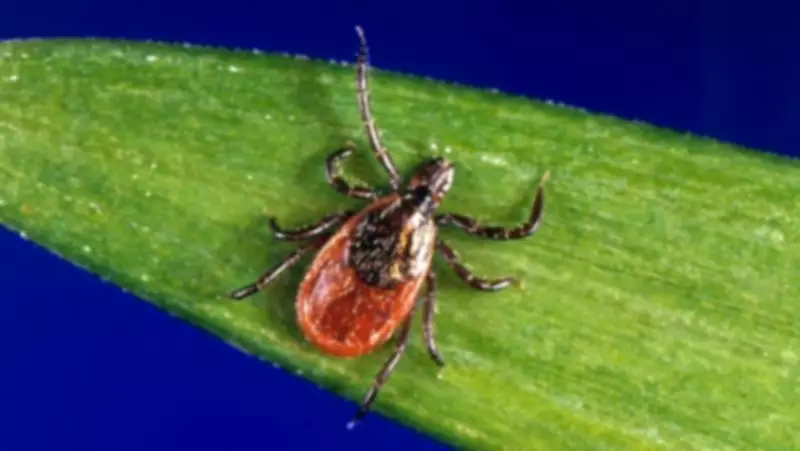
The Windsor-Essex County Health Unit has officially launched its active tick surveillance program, aimed at monitoring tick populations and mitigating the risk of Lyme disease and other tick-borne illnesses in the region. This initiative involves systematic collection and testing of ticks from various outdoor locations to track species distribution and pathogen prevalence.
Program Details
Health unit officials stated that the program will focus on areas frequented by residents, including parks, trails, and wooded areas. Trained staff will collect ticks using standardized methods, and samples will be sent to a laboratory for analysis. The data gathered will help public health officials issue timely warnings and recommendations for preventing tick bites.
Community Impact
Local residents are encouraged to take precautions when spending time outdoors, such as wearing long sleeves and pants, using insect repellent containing DEET, and performing thorough tick checks after outdoor activities. The health unit also advises keeping grass short and removing leaf litter to reduce tick habitats around homes.

This program is part of a broader provincial effort to combat the rising incidence of Lyme disease in Ontario. According to recent statistics, reported cases have increased significantly over the past decade, making proactive surveillance essential for early detection and prevention.
For more information, residents can visit the Windsor-Essex County Health Unit website or contact their local public health office.