Israel has moved to formally recognize the mass killings of Armenians by the Ottoman Empire during World War I as a genocide, according to a report by WorldNews Service on June 28, 2026. The decision marks a significant shift in Israel's long-standing policy of not officially labeling the events as genocide, a stance that has often strained relations with Armenia and Armenian communities worldwide.
Background of the Armenian Genocide
The Armenian genocide refers to the systematic extermination of 1.5 million Armenians by the Ottoman Empire between 1915 and 1923. It is widely recognized by historians and many countries as genocide, but Israel had previously refrained from using the term due to political and diplomatic considerations, particularly its relationship with Turkey.
Israel's Change in Policy
According to the Associated Press, Israeli officials have now taken steps to formally recognize the genocide. The move comes amid growing international pressure and a shift in public opinion within Israel. A spokesperson for the Israeli government stated, "We believe that recognizing historical truths is essential for justice and reconciliation. This decision reflects our commitment to human rights and the memory of all victims of genocide."

The recognition is expected to have diplomatic implications, particularly with Turkey, which has historically denied the genocide and has pressured other nations not to recognize it. Turkey's foreign ministry condemned the move, calling it "unfounded and politically motivated."
Reactions from Armenia and the Armenian Diaspora
Armenian officials welcomed Israel's decision. Armenian Prime Minister Nikol Pashinyan said, "We applaud Israel's courageous step in recognizing the Armenian genocide. This is a victory for truth and justice." Armenian communities around the world also expressed gratitude, with many holding ceremonies and vigils.
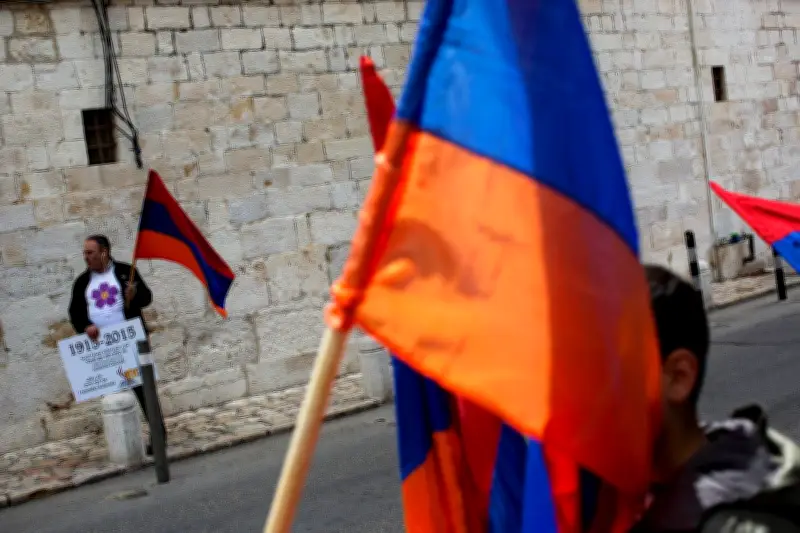
In Jerusalem, Armenians held a ceremony at the Armenian Genocide memorial, waving national flags and laying wreaths. One participant told reporters, "This recognition means the world to us. It validates our history and the suffering of our ancestors."
Impact on Israel-Turkey Relations
The recognition is likely to further strain Israel's relationship with Turkey, which has been tense in recent years. Turkish President Recep Tayyip Erdogan has previously warned that such a move would harm bilateral ties. Analysts predict that Turkey may recall its ambassador from Israel or impose economic sanctions.
However, Israeli officials have stated that they are prepared for potential repercussions, emphasizing that the decision was made on moral grounds. "We cannot let political considerations prevent us from acknowledging historical truth," the Israeli spokesperson added.
International Context
Israel joins more than 30 countries, including France, Germany, and Canada, that have formally recognized the Armenian genocide. The United States also recognized the genocide in 2021 under President Joe Biden. The move by Israel is seen as part of a broader trend of increasing global recognition.
The decision has been praised by human rights organizations, which have long advocated for universal recognition of the genocide as a means to prevent future atrocities. The Simon Wiesenthal Center called it "a landmark decision that will have lasting significance."