

U.S. Administration Deports Iranian Nationals Following 2026 Protest Crackdown
In a notable development in American immigration enforcement, the Trump administration has carried out the deportation of Iranian citizens for the first time since the Iranian government's severe crackdown on domestic protests in early 2026. This action represents a distinct policy shift, occurring against a backdrop of heightened tensions and international scrutiny regarding human rights in Iran.
Context of the Deportations and International Reaction
The deportations follow a period of intense civil unrest in Iran, where widespread protests were met with a harsh governmental response. The crackdown drew condemnation from global human rights organizations and several Western governments, including the United States. The decision to now deport Iranians from the U.S. adds a new layer to the complex diplomatic and humanitarian situation.
While specific numbers and individual cases from this deportation action have not been fully disclosed by authorities, the move is seen as part of a broader, stricter immigration enforcement agenda. It underscores the administration's willingness to apply removal policies to nationals from countries with which the U.S. has fraught relations.

Broader Implications for Immigration and Foreign Policy
This deportation initiative signals a potential hardening of the U.S. stance towards Iranian nationals residing in America, including those who may have sought refuge due to political persecution. Immigration advocates have expressed concern, arguing that such deportations could endanger individuals by returning them to a country where they might face retaliation from the regime.
Conversely, supporters of the policy may view it as a necessary measure for national security and the integrity of the immigration system. The action also intersects with ongoing foreign policy challenges, as the U.S. navigates its relationship with Iran amid regional instability and nuclear negotiations.
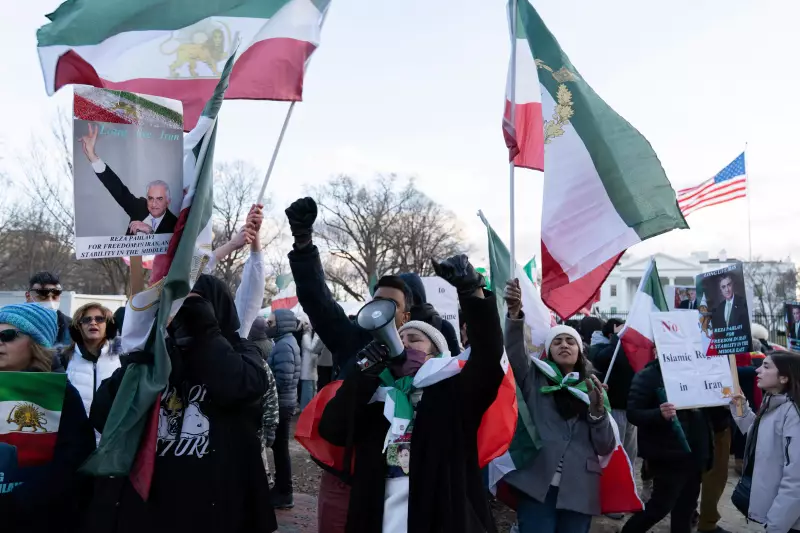
The deportations have sparked reactions within the Iranian diaspora community in North America. In recent weeks, rallies in support of Iranian protesters, such as one held in Washington, D.C., have highlighted the ongoing activism and deep concerns among expatriates regarding the situation in their homeland.
As this situation develops, it will be critical to monitor the legal pathways available to affected individuals and the potential for further escalations in U.S.-Iran diplomatic tensions. The precedent set by these deportations could influence future immigration cases and bilateral relations for years to come.






