

Sunny Wang's Immigration Fraud Fallout: Clients Face Deportation from Canada
The long arm of Canadian justice is reaching the clients of fraudulent Richmond immigration consultant Sunny Wang, with scores of individuals from China now facing deportation orders after participating in what authorities describe as one of the largest immigration fraud schemes in Canadian history.
The $10 Million Fraud Scheme
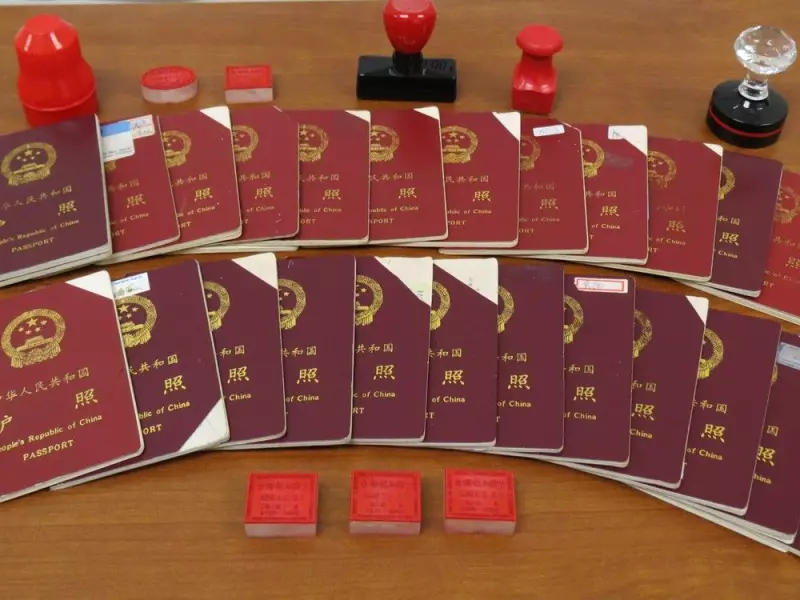
Richmond resident Sunny Wang operated an elaborate immigration fraud operation for eight years, generating approximately $10 million in revenue by providing illegal services to hundreds of clients primarily from China. Wang's criminal enterprise involved creating altered Chinese passports, fabricating employment records, and falsifying Canadian addresses to deceive immigration officials.
In 2015, Wang received a seven-year prison sentence and was fined $900,000 for tax evasion related to his fraudulent activities. However, the consequences of his scheme continue to unfold more than a decade later as immigration tribunals examine the cases of his former clients.

Deportation Proceedings Accelerate
Recent tribunal decisions from Vancouver and Toronto indicate that many of Wang's clients are now being ordered to return to China, despite having obtained permanent resident status through illicit means. Immigration and Refugee Board records reveal that tribunals are rejecting claims from clients who argue they were unaware of Wang's fraudulent methods.
The Canada Border Services Agency seized thousands of documents from Wang's office during their investigation, revealing systematic patterns of misrepresentation. Most clients falsely claimed they were meeting Canada's residency requirements, which mandate physical presence in the country for two years within any five-year period.
Case Examples Highlight Tribunal Reasoning
In one representative case, the tribunal ruled that accountant Gian Xia, a 53-year-old Chinese citizen, should have her permanent resident status revoked because she participated in falsifying records about her time spent in Canada. The tribunal determined she was not a "credible witness" regarding her residency claims.
However, the tribunal showed some leniency toward family members who were minors during the fraud. Xia's 25-year-old son, Han Guan Qi (also known as Leo), was permitted to remain in Canada because he was a young child when his mother's misrepresentation occurred and has since established himself through education, earning two degrees from Canadian universities.
Humanitarian Considerations in Limited Cases
While most adult clients face deportation, some family members—particularly children of parents who knowingly utilized Wang's illegal services—are being allowed to maintain their permanent resident status or citizenship based on "humanitarian and compassionate" grounds. These exceptions typically apply to individuals who were minors during the fraud and have since built substantial ties to Canada.
In another case, the tribunal rejected British Columbia resident Qing Hai Zhu's claim that he had been "duped" by Wang, concluding that Zhu must have been aware he was misrepresenting how much time he was actually spending in Canada versus China.
The Broader Impact of Immigration Fraud
This ongoing situation highlights the serious consequences of immigration fraud in Canada's system. The tribunals have consistently emphasized that clients cannot plausibly claim ignorance when they willingly participated in Wang's elaborate schemes of misrepresentation.
The case continues to serve as a cautionary tale about the risks of engaging with unlicensed immigration consultants and the long-term repercussions of attempting to circumvent Canada's immigration laws through fraudulent means.






