

Understanding ICE's Presence in Calgary: U.S. Immigration Agency's Local Operations Explained
As tensions surrounding immigration enforcement continue to escalate in the United States, with several recent deaths linked to U.S. Immigration and Customs Enforcement (ICE) and Border Patrol operations, many Calgarians have expressed surprise and concern upon discovering that ICE maintains field offices in five Canadian cities—including a significant presence right in downtown Calgary.
The Calgary Office Location and Security
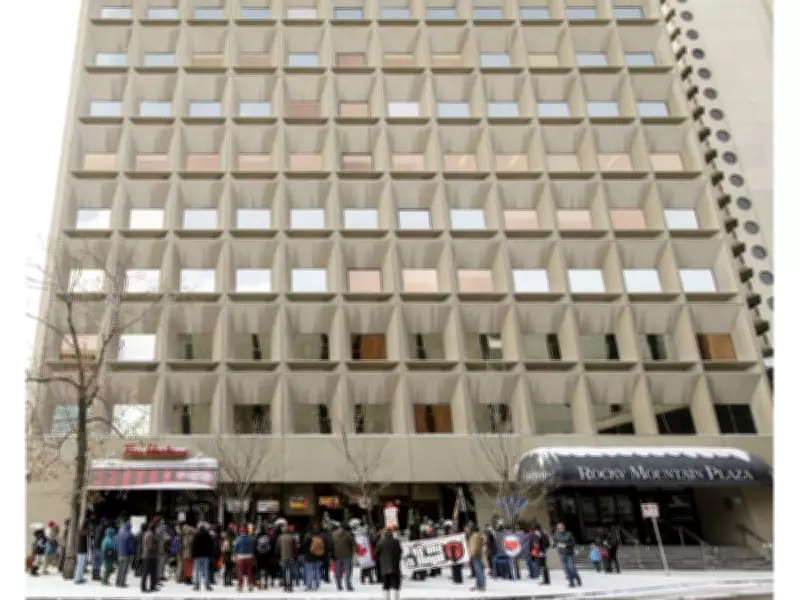
The Calgary office of ICE's Homeland Security Investigations (HSI) division operates discreetly from within the heavily secured U.S. Consulate General at Rocky Mountain Plaza along Macleod Trail. This facility, which handles consular affairs for Alberta, Saskatchewan, Manitoba, and the Northwest Territories, maintains strict access controls and requires appointments for entry.
HSI represents the criminal investigative arm of ICE, focusing on complex transnational crimes rather than routine immigration enforcement. According to official documentation, Homeland Security Investigations maintains more than 90 international offices across over 50 countries worldwide, staffed by approximately 500 special agents, analysts, and support personnel.

ICE's Canadian Presence and Operations
In Canada specifically, HSI maintains personnel at the U.S. Embassy in Ottawa along with consulates in Calgary, Vancouver, Toronto, and Montreal. The exact number of agents currently operating within Canadian borders remains undisclosed for operational security reasons.
In an official emailed statement, an ICE spokesperson clarified that HSI special agents collaborate extensively with Canadian law enforcement partners to investigate serious transnational criminal activities and emerging threats. "These skilled and highly trained special agents focus on a wide variety of serious crimes, including drug trafficking, child exploitation, weapons smuggling, human smuggling, financial fraud, and more," the spokesperson explained.
What ICE Does—and Doesn't Do—in Canada
The agency emphasized several crucial limitations on HSI operations within Canadian territory:
- HSI agents do not conduct enforcement operations on Canadian soil
- They do not make arrests or execute search warrants within Canada
- They do not carry firearms while operating in Canada
"We collaborate closely with our Canadian partners on joint criminal investigations involving narcotics, weapons smuggling, human trafficking, and human smuggling," the spokesperson continued. "HSI also investigates child exploitation and continues to successfully identify and help rescue minor victims in both the U.S. and Canada. Our collaboration benefits communities in both countries."
The spokesperson further noted that HSI agents "help track and detain known and potential terrorists before they can carry out attacks against the United States and her allies," highlighting the preventive security aspect of their international operations.
Community Concerns and Context
The revelation of ICE's Calgary presence comes during a particularly sensitive period in U.S.-Canada relations regarding immigration policies and enforcement practices. While HSI's stated mission focuses on criminal investigations rather than immigration enforcement within Canada, the agency's association with controversial U.S. immigration policies has naturally raised questions among Calgary residents.
The distinction between ICE's various divisions appears crucial to understanding their Canadian operations. Unlike ICE's Enforcement and Removal Operations (ERO) division, which handles immigration detention and deportation within the United States, HSI operates as an investigative body with specific limitations when working internationally.
This clarification becomes particularly important as Canadian communities seek to understand the nature and scope of U.S. law enforcement activities within their borders, especially given the heightened political sensitivities surrounding immigration enforcement in recent years.






