

Christian Conversion Viewed as 'Simplest Route' to Canadian Asylum for Iranian Nationals
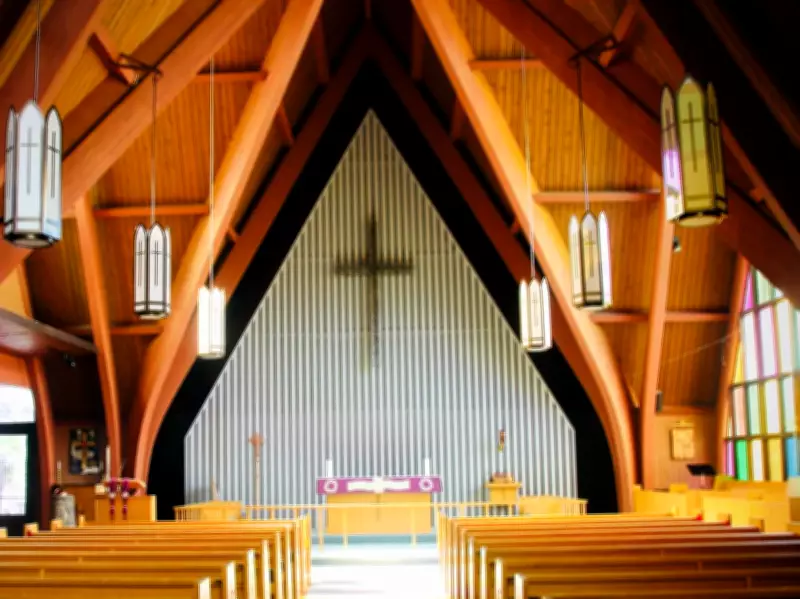
In a downtown Vancouver church, a recent Sunday service featured a Christian baptism ceremony. Among the incense and infants dressed in white awaiting holy water stood a group of four Iranian nationals preparing for adult baptisms. According to observers, some of these individuals may never return to the church after receiving their baptismal certificates, using the documents primarily as tools for asylum claims.
Significant Numbers of Iranian Asylum Seekers
In 2025, Canada received just over 7,100 asylum claims from Iranian nationals, representing the third highest number by country after India and Haiti. Immigration and Refugee Board of Canada figures reveal that approximately half of these claims—3,456—were accepted, while 11,448 Iranian asylum applications remain pending. The exact proportion related to religious conversion remains unknown.
This trend reflects broader patterns where conversion from Islam to Christianity has become increasingly common among Iranians over the past decade. Some studies suggest as many as 1.2 million Christian converts exist within Iran alone, though motivations vary significantly.

Mixed Motivations Behind Conversions
Community leaders, experts, and insiders indicate that conversions stem from both ideological and practical considerations. Many converts express contempt for Iran's authoritarian regime, which they often conflate with Islam—a sentiment echoed by anti-regime protesters regularly gathering in Canadian city centers since late December.
However, conversion also represents a pragmatic strategy for gaining asylum during a period when war and sanctions make Iran increasingly difficult to inhabit. While Iran technically permits religious freedom for "native" Christian communities like Armenians and Assyrians, conversion from Islam to another faith can constitute grounds for persecution under apostasy laws, potentially including execution.
Concerns About Fraudulent Conversions
The phenomenon has drawn attention to potential immigration fraud. At St. Christopher's Anglican Church in West Vancouver—where about 20 percent of the 80-year-old parish now speaks Farsi—church officials acknowledge awareness of "bogus conversions" and exercise caution while maintaining an open-hearted approach.
Former Canadian Border Services officers and community leaders confirm similar patterns occurring in Canada. While many converts demonstrate genuine religious seeking, the coveted baptismal certificate has become a commodity for those seeking refuge from Iran, whether they are political dissidents, economic migrants, or, as some contend, potential vehicles for IRGC members to enter the country.
International Precedents and Expert Perspectives
The conversion route to asylum has been well-documented internationally. In the United Kingdom, a 2024 public inquiry by the Home Secretary examined Church of England officials' alleged complicity in fraud and collusion with people smugglers. Justin Welby, then Archbishop of Canterbury, refuted claims that the church served as a "conveyor belt for asylum seeker fake conversions."
Kelly Sundberg, a former CBSA agent turned criminology professor at Mount Royal University in Calgary, observes: "It's the easiest way to get asylum, and not only for Iranians." This sentiment underscores broader concerns about the asylum system's vulnerabilities while acknowledging the complex realities facing Iranian nationals seeking safety in Canada.






