

Canadian Mother and Daughter Detained in U.S. ICE Custody for Weeks
A British Columbia mother and her young daughter have recounted a harrowing experience after being held in U.S. Immigration and Customs Enforcement (ICE) custody for several weeks. Tania Warner and her seven-year-old daughter Ayla Lucas were taken into custody by U.S. border patrol in Texas on March 14, 2026, according to her husband Edward Warner.
Details of the Detainment
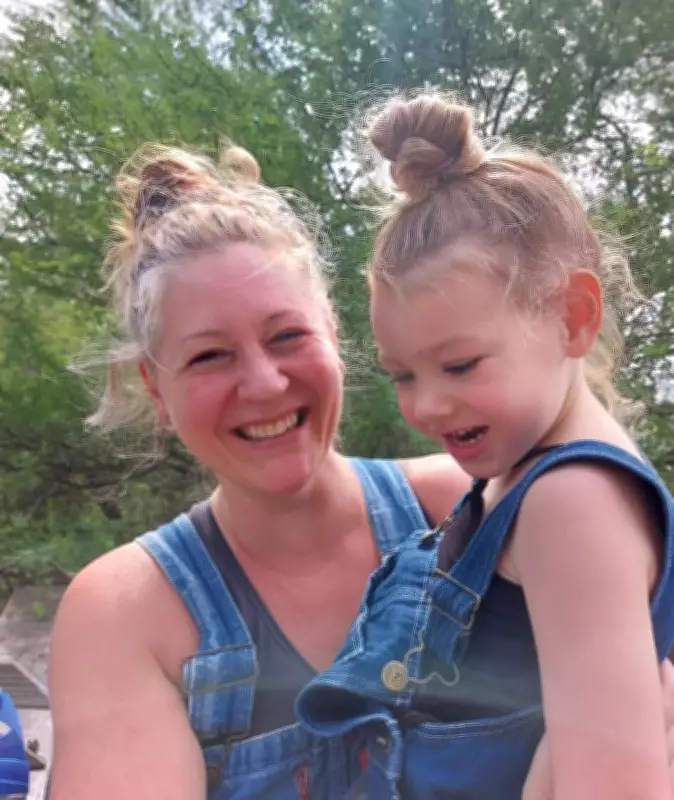
The family's ordeal began when they were apprehended at the border, leading to their placement in an ICE detention facility. Edward Warner provided a handout photo of Tania and Ayla, highlighting the emotional toll of the incident. He described the procedures they endured as "traumatic" and "humiliating," echoing terms used in other recent cases, such as a Montreal gynecologist's suspension for similar allegations.
During their time in custody, Warner and her daughter faced uncertain conditions, with limited access to legal resources and support. This situation underscores broader issues in cross-border enforcement and the treatment of detainees, particularly families with children.

Broader Context and Implications
This case emerges amid ongoing tensions between Canada and the U.S., as seen in other news, such as Calgary Economic Development urging businesses to explore alternative markets due to U.S. uncertainties. It also touches on themes of immigration policy and human rights, which have been prominent in political debates, including discussions around Indigenous legislation in B.C. and federal public servant retirements.
The detention of a Canadian citizen and her child raises questions about international protocols and the protection of individuals' rights during border crossings. Similar stories, like a Canada-wide arrest warrant for a former university dean or charges in a Toronto restaurant shooting, highlight the diverse challenges faced by Canadians abroad and at home.
Family's Response and Aftermath
Edward Warner has been vocal about the need for accountability and improved treatment of detainees. The family's experience has drawn attention to the psychological impact of immigration detention on children, with Ayla's well-being being a primary concern. This aligns with broader health topics, such as studies on dementia prevention and mental health, emphasizing the importance of supportive environments.
As they recover from the ordeal, the Warners hope their story will prompt changes in how border agencies handle similar cases, ensuring that humane standards are upheld for all individuals, regardless of nationality.






