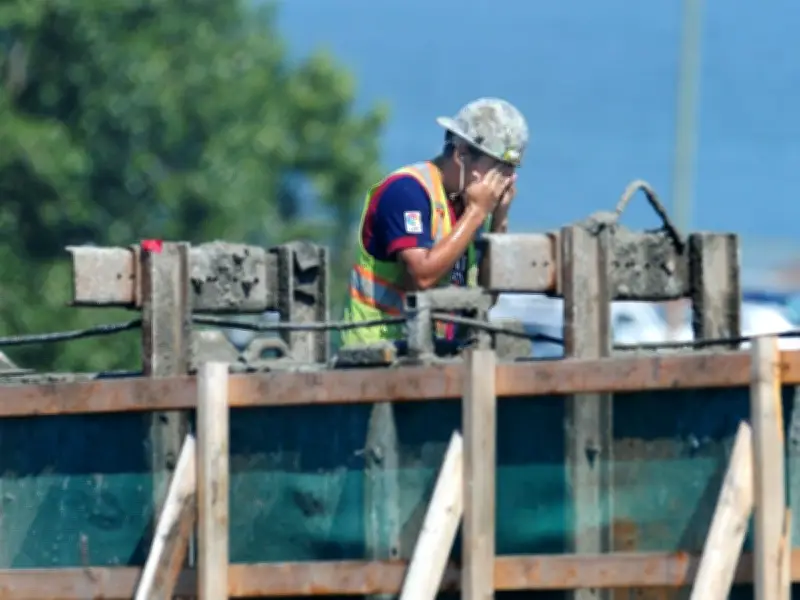
Outdated heat protections leave B.C. workers vulnerable
Environment Canada predicts 2026 will be among the hottest years on record, with El Niño bringing hotter and drier conditions. Yet WorkSafeBC has not updated its extreme heat protections since 2005, leaving employers and workers without clear guidelines on when to implement cooling measures.
In early May, B.C. greenhouse workers were already reporting 40 C temperatures. Heat stress slows thinking and response time, reduces productivity, increases accident risk, and strains hearts and kidneys. June 25 marked the fifth anniversary of the Pacific Northwest heat dome, which killed 619 people in B.C.
Research reveals gaps in current regulations
According to research by Susanna Klassen and Anelyse Weiler, B.C.'s current heat regulations are outdated, not widely known by workers, and poorly enforced. Agricultural workers are especially vulnerable due to precarious immigration status, lack of unionization, and physically demanding outdoor labor without shade. However, the regulations apply to all workplaces, including construction and indoor food service.

The researchers found that under current rules, it is unclear to employers when they are required to adopt cooling measures. This ambiguity undermines compliance and enforcement.
Lessons from U.S. states with modernized protections
Klassen and Weiler interviewed 50 people from labour organizations, occupational health groups, and non-profits in Canada and the U.S. Several U.S. states—including Washington, Oregon, and California—have heat protections far stronger than B.C.'s. Colorado, Oregon, and Maryland have recently adopted new standards, while California and Washington have updated regulations to reflect the latest research and a warming planet.
When California updated its outdoor heat standard in 2015 and strengthened enforcement, heat-related deaths dropped by 51 percent.
Trigger temperature essential for clarity
All U.S. states with enforceable heat protections use a clear, easy-to-measure “trigger temperature” at which employers must begin providing cold drinking water and shade. According to interviewees, a trigger temperature is essential for clarity and stronger compliance.
As one policy expert stated: “If you don’t have trigger temperatures, what you’re really saying to employers and workers alike is, ‘All of you need to be amateur epidemiologists.’ Without trigger temperatures, you’re setting people up to still get hurt.”
WorkSafeBC plans to revise its heat protections in 2026. Advocates urge the agency to adopt a trigger temperature to protect workers from extreme heat.