

Quebec Tables Legislation to Reverse Controversial Doctor Salary Reform
Quebec's newly appointed Health Minister Sonia Bélanger has introduced Bill 19, legislation designed to roll back most of the remaining contentious clauses from the province's controversial doctor salary reform law, known as Bill 2. The move comes after months of negotiations and represents a significant shift in the government's approach to healthcare reform.
Background and Legislative Changes
The original Bill 2, authored by former health minister Christian Dubé, was passed by the National Assembly in October using closure rules. Designed to impose a new wage system on physicians, the legislation drew widespread criticism from Quebec's approximately 10,000 doctors and created substantial political instability for the Coalition Avenir Québec government.
With Dubé now sitting as an independent MNA after resigning from the CAQ in December, Bélanger tabled the new legislation on Wednesday, implementing final modifications to the original bill. This follows Quebec's adoption of Bill 16 before the holidays, which removed many of the negatively received clauses from Bill 2, including punitive measures that doctors found particularly objectionable.

Agreement with Family Doctors
Bill 19 formalizes a last-ditch agreement reached in December with family doctors who are members of the Fédération des médecins omnipracticiens (FMOQ). Quebec's family doctors overwhelmingly supported this deal with a remarkable 97-percent approval vote on December 18.
The new legislation eliminates the February 28, 2026 deadline that had been established in Bill 16 and instead entrenches the FMOQ agreement, which significantly softens the original bill's provisions. Key changes include:
- Withdrawal of ministry powers to impose changes to doctor payment methods
- Removal of authority to impose financial penalties for failure to reach government-imposed medical targets
- Elimination of government power to determine patient vulnerability levels using a colour code system
Payment System Transition
While Bill 19 opens the door to replacing the current payment-per-medical-act system with a capitation system (a set amount for each person enrolled with a healthcare provider), it does not impose this change. The legislation states that Quebec "may provide for remuneration methods that include capitation remuneration."
The proportion of pay to be determined by capitation—Quebec is aiming for 50 percent—and the specific exclusions from the rules must still be negotiated with the FMOQ. Quebec has already established a transition committee headed by Lise Verreault to conduct these talks.
Patient Access Targets
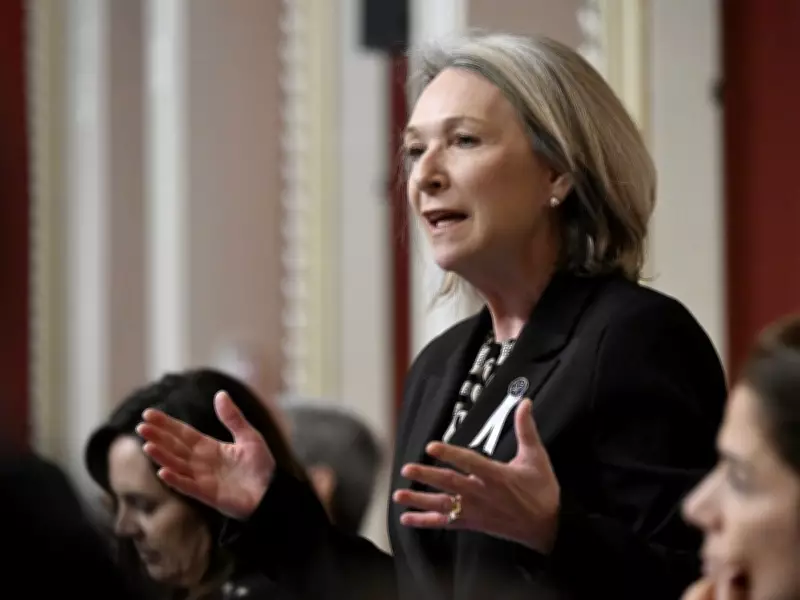
At a news conference at the legislature, Bélanger emphasized that the new proposed legislation serves the interests of all Quebecers. "We are doing this for patients," she stated. "Every action has one goal: better access to care. The most vulnerable people come first."
The agreement with the FMOQ establishes a concrete target: 500,000 more patients to gain access to a family doctor by June 30. Of this total, 180,000 are considered vulnerable and in need of extra care. Bélanger highlighted recent progress, noting that 78,000 orphaned patients were notified in January that they had been enrolled in the Guichet d'accès à la première ligne (GAP), known in English as the Primary Care Access Point system.
Ongoing Challenges and Future Steps
While Quebec moves forward with family doctors in the FMOQ, the government has yet to reach an agreement with the Fédération des médecins spécialistes du Québec (FMSQ), the other medical federation that strongly opposed Bill 2. Bélanger noted that discussions have resumed, stating, "They have returned to the table. You know the faster we have an agreement with the FMSQ, the sooner we can act with a bill."
Parallel to the legislative changes, Bélanger announced that an overhaul of the existing Family Medicine Group (GMF) model is underway, with specific changes to be revealed in April.

The health minister characterized the current approach as a balanced compromise, stating, "We were told we were too harsh with Bill 2. After that, we were told we were too soft. I find today we are in the middle, that we are in the right place and this will make a difference for Quebecers."





