

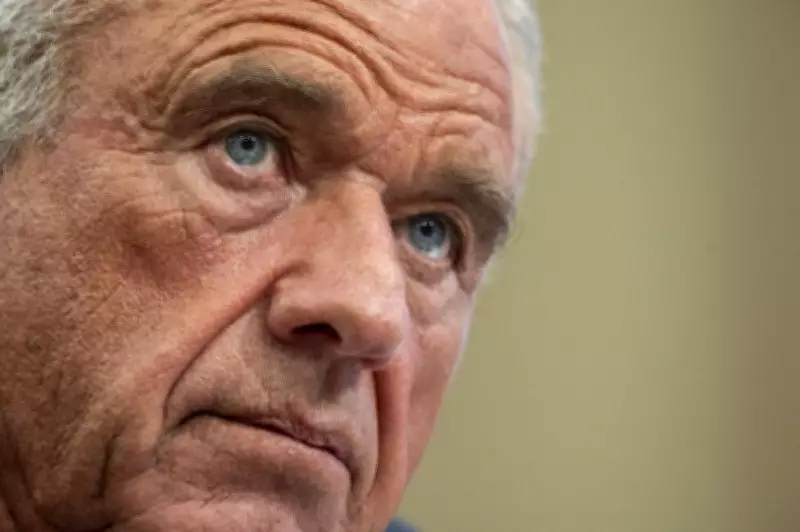
Kennedy Commits to Maintaining U.S. Vaccine Framework While Implementing Reforms
In a recent budget hearing before a House Appropriations subcommittee, Secretary of Health and Human Services Robert F. Kennedy Jr. publicly pledged not to dismantle the established U.S. vaccine system. However, despite this assurance, substantial changes are already underway within the department, signaling a potential transformation in how vaccine policies are managed and enforced across the nation.
Public Assurance Amid Internal Shifts
During the hearing held on Wednesday, May 14, 2025, in Washington, D.C., Kennedy emphasized his commitment to preserving the core structure of the vaccine infrastructure that has been in place for decades. "We are not here to upend a system that has protected public health for generations," he stated, addressing concerns from lawmakers and health advocates about possible radical overhauls.
Yet, behind the scenes, insiders report that the Department of Health and Human Services is actively reviewing and modifying several key aspects of vaccine regulation and distribution. These adjustments include updates to safety protocols, enhanced transparency measures, and revised guidelines for vaccine approvals, which could impact everything from childhood immunization schedules to emergency response plans.

Balancing Tradition with Innovation
The apparent contradiction between Kennedy's public statements and the ongoing changes highlights a delicate balancing act. On one hand, there is a need to maintain public trust in a system that has successfully controlled numerous infectious diseases. On the other, there is pressure to address criticisms and incorporate new scientific findings into policy.
Experts suggest that these reforms may focus on increasing community involvement in decision-making processes and improving access to vaccine information. Such steps could lead to a more decentralized approach, giving states and local health departments greater autonomy while still adhering to federal standards.
Implications for Future Health Policy
As these changes unfold, stakeholders from various sectors are closely monitoring the situation. Healthcare providers, pharmaceutical companies, and advocacy groups are all anticipating how Kennedy's leadership will shape the future of vaccination in the United States. The outcome could set precedents for other areas of public health policy, influencing everything from pandemic preparedness to routine immunization campaigns.
While Kennedy has vowed stability, the evolving landscape suggests that the U.S. vaccine system is poised for a period of significant, albeit measured, transformation under his tenure.






