

U.S. and Iran Gear Up for Crucial Second Round of Diplomatic Talks
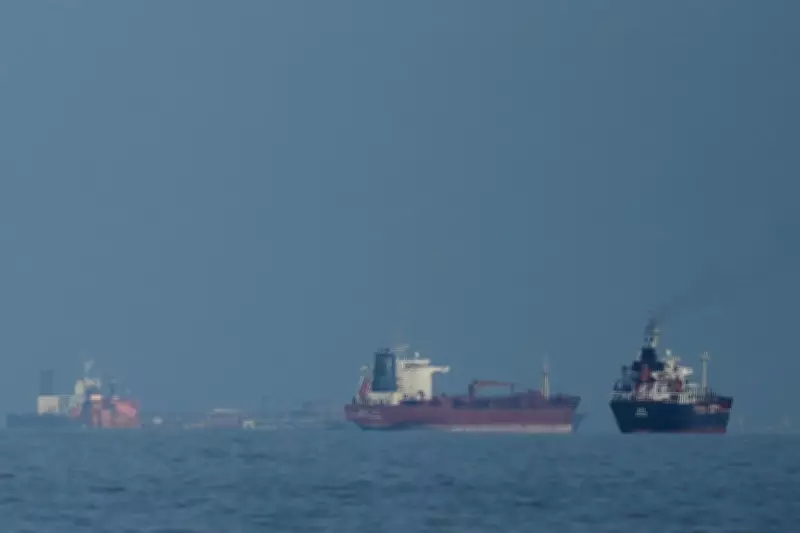
As geopolitical tensions continue to simmer, the United States and Iran are actively preparing for a second round of high-stakes diplomatic negotiations. This development comes amid an ongoing military and commercial standoff in the strategically vital Strait of Hormuz, where oil tankers and cargo ships remain lined up, creating a tense maritime environment that threatens global energy supplies.
Strait of Hormuz Showdown Endures
The narrow waterway between the Persian Gulf and the Gulf of Oman has become a focal point of international concern. Recent observations from Khor Fakkan in the United Arab Emirates reveal numerous vessels navigating cautiously through the chokepoint that handles approximately one-fifth of the world's oil consumption. This persistent military presence and commercial congestion underscore the critical importance of the upcoming diplomatic discussions between Washington and Tehran.
Diplomatic Efforts Intensify
Multiple sources confirm that behind-the-scenes preparations are well underway for what could be a pivotal second round of talks between American and Iranian officials. The initial discussions, while not producing breakthrough agreements, established communication channels that both sides appear committed to maintaining. The renewed diplomatic push reflects growing international pressure to de-escalate regional tensions that have fluctuated between cold war and hot conflict for years.

Global Implications of Continued Tensions
The enduring Strait of Hormuz confrontation carries significant implications beyond the immediate region. International energy markets remain particularly sensitive to developments in this critical maritime corridor, with oil prices fluctuating based on perceived threats to shipping security. Additionally, the broader Middle East conflict dynamics influence everything from regional alliances to global counterterrorism efforts, making successful U.S.-Iran negotiations a priority for multiple international stakeholders.
What to Expect from the Next Round
While specific agenda items for the upcoming talks remain closely guarded, analysts anticipate discussions will focus on several key areas:
- Maritime security protocols for the Strait of Hormuz
- Nuclear program limitations and verification mechanisms
- Regional proxy conflicts and militia activities
- Economic sanctions relief in exchange for concessions
- Humanitarian considerations and prisoner exchanges
The timing of these renewed diplomatic efforts coincides with broader regional developments, including leadership changes in several Middle Eastern governments and shifting great power dynamics. Observers note that both Washington and Tehran face domestic political pressures that could either facilitate or complicate progress toward meaningful agreements.
As preparations continue for this critical diplomatic engagement, the international community watches closely, understanding that successful negotiations could ease tensions in one of the world's most strategically important waterways, while failure could escalate an already volatile situation with global economic and security consequences.






