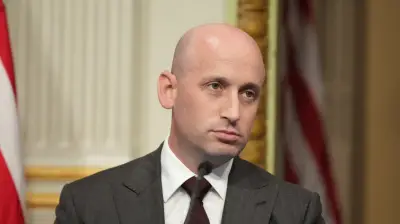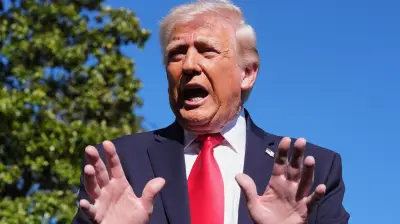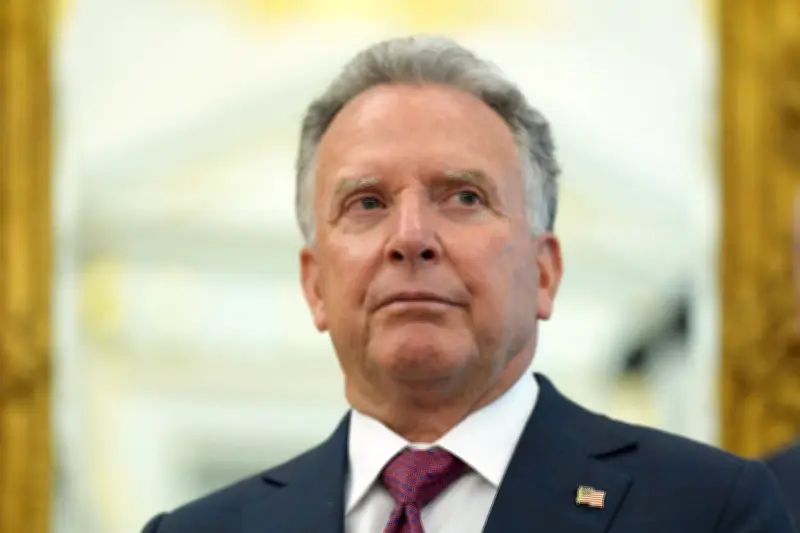
U.S. envoys have arrived in Qatar for meetings focused on Iran, as tensions remain high over the Strait of Hormuz following a weekend of exchanges of strikes between the two nations. The talks aim to de-escalate the situation and address ongoing concerns about maritime security in the vital waterway.
Background of the Conflict
The recent escalation began over the weekend, with the U.S. and Iran trading strikes that heightened fears of a broader conflict. The Strait of Hormuz, a critical chokepoint for global oil shipments, has been a flashpoint, with Iran threatening to disrupt traffic in response to U.S. actions. The U.S. has bolstered its naval presence in the region, while Iran has conducted military exercises near the strait.
Qatar as a Mediator
Qatar has emerged as a key mediator, hosting talks that include U.S. envoys and Iranian representatives. The Gulf state has maintained diplomatic channels with both sides, positioning itself as a neutral ground for negotiations. According to a source familiar with the discussions, the talks are expected to cover confidence-building measures and potential de-escalation steps.

Global Implications
The standoff has drawn international concern, with oil prices fluctuating amid supply disruption fears. The Strait of Hormuz handles about 20% of the world's oil consumption, making any disruption a major economic risk. Analysts warn that sustained tensions could lead to higher energy costs and instability in global markets.
U.S. and Iranian Positions
The U.S. has stated its commitment to ensuring freedom of navigation, while Iran asserts its right to control the strait as part of its territorial waters. Retired Maj.-Gen. Denis Thompson commented that the Trump administration faces 'many issues to resolve' during the 60-day ceasefire, indicating that the talks are just the beginning of a complex diplomatic process.